evelina ioannou

Leveraging customer data to predict trends in retail


More data = Greater competitive advantage! 

In the ever-evolving landscape of the retail industry, understanding consumer behavior, and consequently predicting future needs, has become more essential than ever. The most powerful tool businesses now have to serve this purpose is customer data, which includes information such as purchase history, preferences, demographics, interactions with the business, and feedback. 

Data can be collected through physical or online points of sale, company apps, loyalty programs, social media, and more. This vast source of information, when properly analyzed, provides valuable insights into the timing, manner, and reasons behind a customer’s purchase, but most importantly, it offers clues about their potential future actions.

The need to predict trends

Technological advancements have radically changed how businesses operate and how consumers shop. Data helps retail businesses identify shifts in product demand, preferences, and consumer patterns.

Today’s consumers not only expect but consciously seek personalized experiences from brands, an outcome of increased connectivity, social media, and real-time interaction capabilities. In fact, 3 out of 4 consumers are more likely to purchase from a business offering personalized experiences and will spend 37% more money. 

The ability of businesses to predict consumer trends is no longer just a marketing tool but a necessary strategy to cope with market volatility. The rapid pace of change demands quick and timely responses; otherwise, businesses risk falling behind their competitors. 

Decoding consumer behavior through technology

Technologies such as data analytics and machine learning enable businesses to process vast amounts of data and extract useful insights. This allows the identification of consumer patterns, trends, and behaviors that might otherwise remain hidden. 

Artificial intelligence (AI) further enhances data analysis capabilities by generating personalized forecasts, from product recommendations tailored to each consumer to inventory management aligned with expected demand. 

Benefits for businesses 

Leveraging data leads to clear advantages for businesses by increasing customer satisfaction and loyalty through experiences that meet diverse needs and desires. Trend prediction also boosts operational efficiency via targeted strategies, promotional campaigns, and better inventory management. Overall, data and its effective use create a competitive edge, as companies that recognize the need and adapt quickly to changing conditions stay informed about market developments and outperform competitors. According to research, retail businesses that fully utilize big data in daily operations can achieve up to a 60% increase in profitability. 

The challenges 

Data privacy protection is, of course, paramount. Compliance with GDPR, transparency in data use and storage, and obtaining customer consent are essential prerequisites. Eighty percent of consumers consider it important for businesses to have a clear and transparent data management policy, while 71% are discouraged by companies that request data but do not explain how it will be used.

Furthermore, data analysis requires specialized tools and personnel. Without these, businesses risk misinterpreting or incorrectly analyzing information. According to “The State of Dark Data” survey, 60% of respondents reported that half or more of their organization’s data ends up as “dark data” (collected and stored but unused). 

Finally, to maximize data utilization effectively, companies must invest in technology, infrastructure, and staff, a high upfront cost with strategic payoff. 

Strategies for effective data utilization 

Implementing pilot programs allows businesses to identify challenges on a small scale before full deployment. Simultaneously, developing partnerships with specialized technology and data analytics firms and fostering a continuous learning culture help maintain flexibility and competitiveness even as trends evolve rapidly.

Data is no longer just a technological burden but, with proper management, a strategic asset. Companies that consciously invest in understanding their data build trust with consumers, create more comprehensive and better experiences, and gain an advantage over the competition. 

Discover more about the future of retail and the opportunities offered by technological advancements in the “Retail Innovation Report 2024” by Cardlink, a Worldline brand, in collaboration with Found.ation. 


Stores transform into interactive shopping spaces

AR


What the physical store looks and feels like in the digital era. 

In recent years, physical retail spaces have been undergoing constant transformation. The traditional store model, focused primarily on products or services, no longer seems as effective in attracting customers. Today’s consumers are looking for more than just the purchase of a product: they want a unique, interactive experience that adds value throughout the shopping trip. The result? The transformation of brick-and-mortar stores into interactive shopping environments has become one of the dominant global trends in retail.

Changes in consumer behavior are driven largely by rapid technological advancements and the growing demand for personalized experiences. As technology continues to shape the retail landscape, terms like digitalization, CX (customer experience), and omnichannel have become part of the industry’s daily vocabulary. In fact, consumers are 60% more likely to return to a business if the brand successfully delivers an ideal experience at every stage of their shopping journey, blending online and offline channels seamlessly. 

The need to transform physical spaces 

The rise of e-commerce and intense competition from countless online marketplaces have forced physical stores to redefine their role in the industry. Consumer expectations are evolving, and today, it’s not enough for stores to simply be points of sale. Customers now expect an experience, something online platforms cannot replicate in the same way as a physical space.

Engaging with the store environment and the product itself through innovative tools and practices, receiving personalized advice and recommendations, and participating in in-store activities create a rich set of stimuli that guide customers toward making a purchase. The challenge for retailers is to bridge the gap between the convenience of online shopping and the tangible, immersive experience of in-store visits. The answer seems to lie in new technologies that enhance the shopping experience. 

Interactive shopping: how it’s achieved 

The merging of the physical and digital worlds gives rise to phygital shopping experiences, a blend of methods and design elements aiming to capture customers’ attention in unique ways. AR and VR lead the way, enabling customers to interact with products digitally. Virtual Reality mirrors, virtual fitting rooms, and other tools allow customers to try products in new ways. Smart devices and IoT sensors can track shoppers’ movements in-store, helping retailers adjust layouts, services, and even product placement. Smart shelves, on the other hand, provide real-time suggestions for complementary or alternative products. All data collected from these devices can be analyzed with the help of Artificial Intelligence (AI) to create personalized experiences, including tailored promotions and discounts.

Gamification has also emerged as a powerful tool to transform and enhance the shopping experience. By incorporating game-like elements such as challenges, rewards, and points, retailers attract customers seeking entertainment in addition to shopping. For example, in 2018, Under Armour created a trivia game to promote exclusive products linked to basketball star Stephen Curry. Participants who answered all multiple-choice questions correctly won prizes or reward points, while some lucky players received collectible signed merchandise or even game tickets. Loyalty programs also fall into this category.
Starbucks offers one of the most successful examples: in 2024, with nearly 34.3 million active members in the US, the company saw 41% of its sales generated by loyalty members, who enjoy a 44% retention rate, well above the industry average of 25%, and are 5.6 times more likely to visit a store daily. 

QR codes give customers instant access to detailed product information or exclusive offers, while touchscreens create a more engaging environment. Meanwhile, self-checkout systems, contactless payments, and the option to pay online and collect in-store streamline the buying process for speed- and efficiency-conscious shoppers. According to PwC, 72% of Gen Z prefer self-checkout to traditional methods, and 70% choose mobile payment when shopping in stores. 

Benefits and challenges 

Nearly 75% of consumers are not only more likely to purchase from businesses offering personalized experiences, but they’re also willing to spend 37% more. By enhancing the customer experience, retailers strengthen their brand relationship. In a market saturated with competitors, offering an interactive experience can be a key differentiator, giving an edge to those who invest in it.

However, integrating interactive experiences into physical stores comes with challenges. Advanced technologies such as AR/VR systems, AI, and smart devices involve significant costs, and retailers must be prepared for a period before these investments yield tangible returns. Staff must also be continuously trained in any new technology implemented so they can assist customers effectively, ensuring the best possible experience and providing help when needed.

Strategic implementation 

Pilot testing, data-driven decision-making, and strong partnerships form the foundation of success. Before committing to a full-scale transformation, retailers can run pilot programs to assess whether new technologies meet their objectives and resonate with customers. These trials generate valuable data, clarifying customer expectations and helping businesses fully understand their target audience. Once goals and expectations are clear, finding the right partners, suppliers, and technicians specialized in cutting-edge technologies becomes essential to ensure a smooth transition.

The future of retail belongs to businesses that embrace change, leverage technology and innovation, and prioritize meaningful connections with their customers. 

For more retail trends, read the “Retail Innovation Report 2024” by Cardlink, a Worldline brand, in collaboration with Found.ation. 


Eco-consciousness at Every Point of Sale


How green is becoming the color of retail industry.

Adopting an eco-friendly approach and prioritizing sustainability at every stage of product and service sales has emerged as a strategic priority for the retail sector. Businesses, considering technological advancements and constantly evolving consumer behaviors, are realizing that going “green” not only benefits the environment but also presents a significant business opportunity for growth and differentiation.

From physical stores to the online shopping experience, sustainability has become a key factor influencing customer decisions to complete a purchase. According to Diverstech, 64% of consumers want brands to reduce packaging usage, 50% seek greater transparency about recycling practices, and 46% require clarity on product origins.

Supply chains: Sustainability from the start

Transitioning to a sustainable supply chain is no longer optional; it is an urgent necessity. One effective way to reduce a company’s environmental footprint is to collaborate with local suppliers, thereby cutting transportation costs and lowering carbon emissions. Likewise, selecting partners who follow sustainable practices strengthens a business’s overall ecological strategy.

At the same time, upcycling (the creative reuse of by-products, waste materials, or unwanted products into new items of higher quality or value, whether economic, artistic, or environmental) and recycling (the process of collecting waste materials and converting them into raw materials for new products) are becoming central to reducing waste. Conscious production that avoids overproduction, reuses products and raw materials, and promotes recycling leads businesses towards greener operations.

Physical stores: Redefining spaces

When we talk about eco-consciousness in retail, energy efficiency often comes to mind first. Businesses are redesigning their spaces to consume less energy, more from renewable sources, without compromising the customer experience. Common examples include switching to LED lighting and smart energy management systems, upgrading heating and cooling systems, and installing solar panels.

Additionally, stores should address waste management and resource conservation. Excessive paper use, for receipts, menus, or product tags, is a prime example. A sustainable alternative is electronic shelf labels, which allow price or product information to change instantly with zero waste. Similarly, replacing traditional paper posters with digital displays reduces waste while enabling dynamic, real-time content updates.

Paper usage can also be reduced through digital transactions and e-receipts, which are sent directly to customers’ mobile devices after a purchase. In the UK alone, more than 11 billion paper receipts are issued annually, generating 28,000 tons of carbon emissions, with 9.9 billion of them ending up as waste. Adopting digital receipts could save around 53,000 trees from being cut down only to end up in landfills.

Online sales and delivery services

An eco-conscious approach to online retail is equally important, as consumers expect green practices across all channels. Sustainable packaging has become a global trend, with materials designed to be both durable for shipping and environmentally friendly. Using recycled and recyclable materials, reusable products, and avoiding unnecessary raw materials reduces production, transportation, and environmental costs.

Offering alternative delivery options is another step towards a more sustainable future. While express delivery services have shaped customer expectations, they also have a negative environmental impact. Though eliminating express shipping entirely may not be feasible, retailers can provide eco-friendly alternatives for customers who prioritize sustainability. For example, Amazon has pledged to make its shipments “net zero carbon” by 2040, while Harrods in the UK announced it is replacing its diesel delivery fleet.

Educating and raising awareness among staff and customers

While many businesses are aware of sustainable trends, few recognize that the first step is educating their workforce. Green upskilling involves continuously training employees on environmental issues so they can actively contribute to a company’s sustainability efforts.

Meaningful learning can be achieved through targeted programs on topics such as waste management, recycling, and energy efficiency, delivered via e-learning, workshops, or on-the-job training. This is not a one-time effort but a lifelong learning process that requires commitment from both the business and its employees to ensure ongoing improvement in skills and eco-knowledge.

Beyond employees, customers can also be encouraged to make more sustainable choices when purchasing products or services. Businesses can promote reuse and recycling by offering incentive programs that reward customers for returning or repurposing their old items.

Why should retail go green?

Retailers that embed eco-friendly practices across all points of sale contribute to a better future while also reaping long-term benefits. They attract more conscious consumers seeking brands that align with their values, reduce waste, lower energy consumption, and improve efficiency, ultimately lowering costs. They also strengthen their brand image and foster a deeper emotional connection between customers and products.

The retail of the future is greener, more innovative, and more efficient. For more trends, read the “Retail Innovation Report 2024” by Cardlink, a Worldline brand, in collaboration with Found.ation.


Efficiency and Growth: Where Should Retailers Invest?


Strategies Shaping the Future of Retail

The retail sector continues to undergo transformation in response to economic challenges, rising consumer expectations, and rapid technological innovation. As businesses seek new ways to deliver value to the increasingly demanding customers, investing in digital tools, upskilling their workforce, and deploying modern marketing strategies with a focus on sustainability and customer experience is more essential than ever.

Maximizing the Data Value

Beyond traditional data sources such as POS systems or inventory reports, retailers can now tap into additional data streams including social media, in-store camera footage, and even weather reports, all of which can significantly inform supply chain decisions. However, leveraging this wealth of information through simple tools like spreadsheets is increasingly ineffective. Despite this, as of 2023, 67.4% of supply chain managers still relied on spreadsheets as their primary management tool, a number that is slowly declining. Transitioning to more advanced systems that combine AI and data analytics allows businesses to improve operational efficiency, offering greater agility and accuracy.

Workforce Training and Development

Retailers aiming for sustainable growth must consistently invest in their workforce. This means creating a supportive work environment and offering continuous learning and professional development opportunities. Providing employees with the necessary time, tools, and resources not only enhances performance but also boosts job satisfaction, translating into improved business outcomes.

Customer Experience (CX)

The fusion of physical and digital retail, known as “phygital”, has reshaped how consumers shop. By 2027, click-and-collect services are projected to account for nearly 20% of total e-commerce spending, highlighting growing demand for hybrid shopping experiences. Retailers that integrate digital tools with in-store experiences can reduce cart abandonment, boost exposure to in-store promotions, and create cross-selling opportunities. Crucially, physical stores must integrate e-commerce and real-time inventory systems to ensure that online purchases are fulfilled quickly and efficiently.

With customer touchpoints multiplying, the need for a unified, consistent omnichannel strategy becomes imperative. Brands that invest in seamless omnichannel experiences benefit greatly, as satisfied customers are 3.6 times more likely to purchase additional products or services, according to Deloitte. Omnichannel shoppers also tend to spend more and exhibit greater brand loyalty compared to single-channel or online-only consumers.

Incorporating chatbots into the customer service strategy can also elevate the overall experience, offering benefits such as efficiency, personalized interactions, and 24/7 availability. Businesses leveraging chatbots save time and reduce operational costs while enhancing CX through data analysis. For instance, Sephora’s chatbot uses customer data to deliver tailored client service; a strategy that contributed to its net sales increasing from $580 million to over $3 billion between 2016 and 2024.

Marketing and Advertising

Utilizing tools like Google Ads, social media, and email marketing enables businesses to conduct targeted campaigns with measurable results. Companies can focus on platforms preferred by their audience, using behavioral analytics to craft campaigns tailored to each segment. Performance tracking via platforms such as Google Analytics or specialized CRM systems helps evaluate effectiveness, optimize strategy, and maintain a competitive edge.

In an environment where consumers are constantly exposed to marketing messages, standing out is a challenge. This is where gamification marketing (turning brand interactions into engaging experiences) comes into play. Interactive games, reward points, badges, challenges, and contests add value to customer interactions, encouraging repeat engagement and fostering brand loyalty.

Cybersecurity and Data Protection

As businesses increasingly rely on digital tools that collect, and process vast amounts of data, cybersecurity and data protection have become more critical than ever. Retailers must invest in robust security solutions, including firewalls, antivirus software, malware detection tools, and technologies such as SSL/TLS encryption and secure payment gateways. These measures must comply with the General Data Protection Regulation (GDPR) to ensure lawful handling of customer data, reduce fraud risks, and guard against phishing attacks.

Payment Options Alternatives

The payment landscape is evolving rapidly, offering a diverse range of options to consumers. According to Deloitte, the future of payments includes minimal cash usage, with traditional checks nearly phased out. Credit and debit cards, peer-to-peer payment apps, e-checks, and digital wallets are becoming standard. Additionally, Buy Now, Pay Later (BNPL) services are growing in popularity, enabling installment payments after product delivery.

Sustainability and Social Responsibility

Retailers, especially those appealing to younger generations, must adopt practices that reduce their environmental footprint. Eco-friendly, biodegradable, recycled, and recyclable packaging, as well as reusable materials, not only support environmental goals but also resonate with conscious consumers. A PwC study found that 46% of participants choose eco-friendly products to protect the environment, and 80% are willing to pay a premium for them.

Retailers should also redesign physical stores with energy efficiency in mind. Installing LED lighting, smart heating and cooling systems, and solar panels can reduce energy consumption without compromising the shopping experience. Lowering carbon emissions and the overall environmental impact contribute to building a greener brand identity.

Beyond environmental concerns, community engagement is becoming a key pillar of retail strategy. Supporting local suppliers, organizing community events, and backing social initiatives helps businesses strengthen their connection with customers and foster mutual prosperity.

The future of retail is set to be dynamic and exciting, shaped by emerging trends and technological advances that redefine how consumers interact with products and services.

For deeper retail insights, explore the “Retail Innovation Report 2024”, published by Cardlink, a Worldline brand, in collaboration with Found.ation. The report offers valuable information on consumer behavior, market opportunities, and the challenges and innovations transforming the retail landscape.
Technology as a Strategic Tool in Retail


How Technological Advancements Are Reshaping the Retail Sector

Technology and digital transformation have become undeniable catalysts for progress in the retail sector in recent years. What is now becoming increasingly clear is the necessity for a meaningful digital upgrade; one that creates the ground for cultivating a comprehensive and successful business strategy. Embracing technological tools enables businesses to adapt more seamlessly and rapidly to the constantly evolving landscape, save both time and financial resources, and achieve high levels of customer satisfaction. So, what key factors should retailers consider to maximize these benefits?

The Importance of Speed and Operational Efficiency

Terms such as “agility”, “efficiency”, and “consistency” have never been more crucial and now define the priorities of any business striving to remain competitive in today’s retail environment. According to PwC, global investments in retail technology are expected to increase by 10% between 2024 and 2028, a significant rise from the 4% growth observed in the previous four-year period. Below are some key areas where technology is fueling retail growth.

Artificial Intelligence: New Opportunities in Retail

Artificial Intelligence (AI) has recently emerged as a game-changer across the retail landscape. Its ability to rapidly and effectively adapt to provided data, along with its capability to detect shifts in consumer behavior, makes AI a critical asset for delivering exceptional customer service in dynamic environments. Retail businesses integrate AI solutions to identify and predict consumer trends and create personalized experiences. From AI-driven chatbots to intelligent virtual shopping assistants, these tools enhance customer interaction and foster a long-term brand loyalty.

Harnessing the Power of Data Through Advanced Analytics

Every interaction, whether minor or major, generates valuable data; from the amount of time a customer spends evaluating a product to the number of potential buyers who have seen it. These insights provide a strategic advantage for businesses. Data analytics tools help retailers understand consumer behavior and predict future trends. Analyzing such information allows businesses to adapt quickly and refine their marketing strategies. According to Fortune Business Insights’ Retail Analytics Market Analysis, the global retail analytics market was valued at USD 7.56 billion in 2023 and is projected to grow from USD 8.75 billion in 2024 to USD 31.08 billion by 2032, with a CAGR of 17.2%. These numbers underscore the critical importance of leveraging such tools for business growth.

Evolving the Supply Chain Through Technology

The use of automated systems and robots for storing, organizing, and delivering products, along with the integration of advanced tools for real-time supply chain monitoring, enables companies to increase operational efficiency and reduce costs.

According to The Economist, 65% of CEOs anticipate that gen-AI could optimize or automate up to 50% of supply-chain operations within the next three years. By adopting these solutions, companies increase operational efficiency, lower costs, and accelerate purchasing processes, while improving the overall customer experience.

Technology as a driver of Sustainability

Sustainability has become increasingly integral to retail, as it involves selling products or offering services in ways that minimize environmental and social impact. From sourcing alternative raw materials to implementing carbon-neutral tech practices, “sustainable retail” is now at the forefront. A compelling example is the use of AI-powered digital showrooms, such as in the cosmetics industry, where customers can virtually “try on” products, saving both time and resources that would otherwise be spent on producing physical samples. Remarkably, nearly 50% of global consumers prefer buying from brands that have clearly adopted more sustainable practices and strategies, according to Diversitech Global.

Digital Marketing: A strategic imperative

A successful digital marketing strategy takes full advantage of all the data collected and adjusts content to meet diverse consumer needs. Tools such as SEO and SEM boost a brand’s online visibility and accessibility. Additionally, digital tools that track metrics like ROI (Return on Investment) help the performance evaluation of their marketing campaigns and fine-tune their strategies to remain competitive in the market.

Retail Tech Trends for 2025

New technologies, digital tools, changing consumer behaviors, and innovative business models are transforming how retail operates. AI, in particular, is expected to remain a dominant trend. Its ability to rapidly process vast amounts of data and generate actionable insights makes it an integral part of digital business evolution. One emerging concept enabled by AI and data analytics is “Subconscious Commerce” (a proactive retail model where consumer desires are predicted and met before the consumers themselves are even consciously aware of them). This practice collects real-time data from shopping history, web browsing, and social media to forecast future needs and deliver personalized recommendations.

Alongside all the technological tools available to modern retail businesses, Omni-channel strategy is becoming central. This refers to a cohesive presence across all platforms, both digital and physical, and is closely aligned with the concept of Phygital Retail. According to Polestar, 73% of consumers switch between different channels before making a purchase decision, and 95% research the product online. For example, a consumer may discover a product on their mobile phone, seek more information online, test it in a physical store, and then complete the purchase digitally.

For more trends and an in-depth analysis of the retail sector’s developments, download the Retail Innovation Report 2024, by Cardlink, a Worldline brand, in collaboration with Found.ation.
The Popularity of Direct-to-Consumer Brands


A business model that is steadily gaining ground and conquering the market.

In the dynamically evolving landscape of commerce, the emergence of companies offering products directly to consumers (direct-to-consumer – DTC) has sparked a revolution that transcends traditional business norms. Direct-to-consumer brands have not only reshaped the distribution of products but have also profoundly influenced the way consumers interact with businesses.

According to a PwC study (June 2023), consumers increasingly prefer brands that offer products directly to the market, bypassing traditional intermediaries. The majority (63%) state that they have purchased products directly from a brand’s website, and according to data analysis, this number is expected to rise. An additional 29% indicates that, though not yet done, they are seriously considering the direct-to-consumer option. According to data presented by Omnia Retail for 2023, in the United States, the number of consumers preferring DTC brands is expected to reach 111 million within the year, constituting 40% of their total population. Globally, DTC brand buyers make up 64% of the total, showing a 15% increase compared to 2019.


A model offering business autonomy

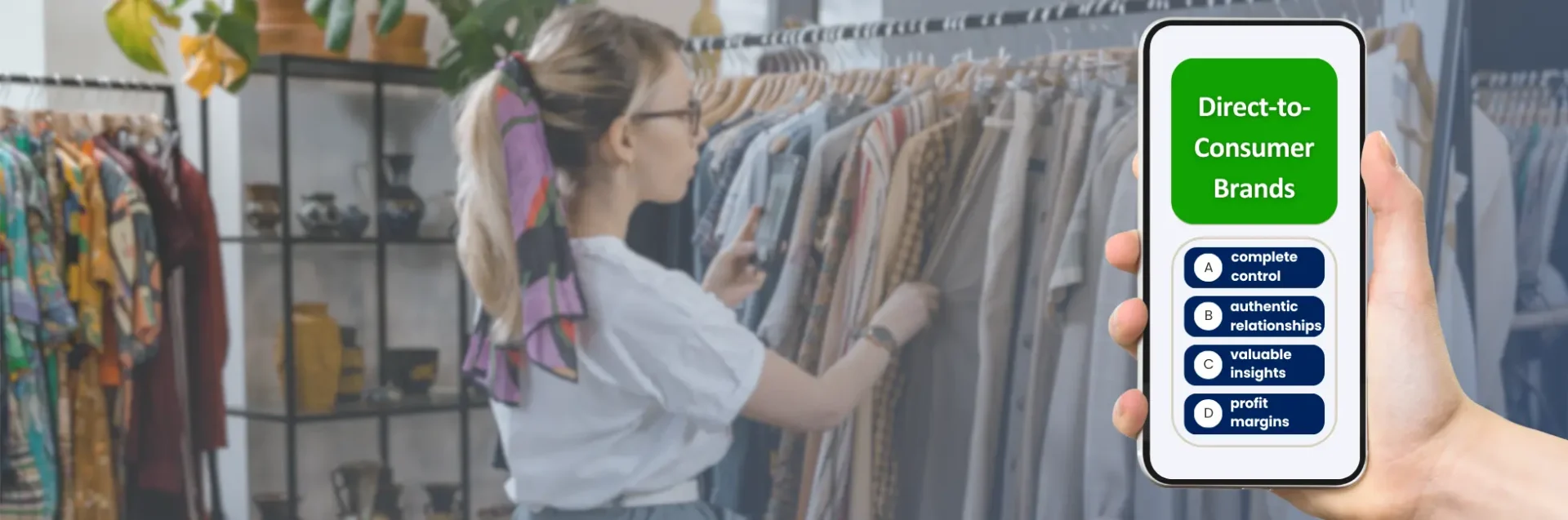
One of the main advantages offered by direct-to-consumer brands is the level of control they provide to businesses. Their autonomy extends to various areas, with pricing strategy being a characteristic example. Unlike traditional retail models where pricing may be influenced by intermediaries, direct-to-consumer brands have the power to design their pricing policies according to their identity and market position. Equally crucial to success is autonomy in designing and implementing internal processes and systems that reflect the vision and ethics of each company.


More opportunities in marketing

Businesses following the direct-to-consumer sales model have advantages in the marketing sector as well, as they have complete control in creating and executing their strategy from start to finish. For instance, they can allocate a separate marketing budget—a necessary step to enhance brand visibility and increase sales, especially online. They also have the ability to leverage various digital marketing strategies tailored to their unique audience. From harnessing the potential of social media platforms to collaborating with influencers, DTC brands can organize campaigns and engage directly with consumers, strengthening their brand and attracting new customers more easily.


Strengthening relationships with existing customers

DTC brands can easily develop authentic and long-term relationships with their customers. In contrast to traditional retail models where the relationship between consumer and brand is not as direct, DTC brands create close interactions, easily connecting, communicating, and serving their customers. This makes their relationship more than a typical transaction. The ability for direct communication fosters a sense of trust and loyalty, which is rare in traditional commerce and acts as a catalyst for converting first-time buyers into loyal supporters. Acquiring supporters can, in turn, serve as a significant marketing tool through positive reviews, personal recommendations, and other actions.


Utilizing data for strategic evolution

Direct access to customer data is another factor contributing to the success of DTC brands. Having a complete picture of their business, they can leverage valuable insights derived from consumer behavior and preferences. Using this data, they can make better decisions, such as creating personalized product offers and improving their overall strategy.


Adaptation and innovation

Keeping track of modern market trends is another significant factor in the success of the DTC model, leading to rapid adaptation to the needs and trends of the time. For example, if sales through social networks increase significantly, a DTC brand has the flexibility to adjust its strategy promptly. This is a crucial advantage that makes it easier to adopt innovations that are often challenging to implement in more traditional retail models.


Increase in profit margins

Lastly, we cannot overlook the substantial economic benefits of the DTC model. By avoiding intermediary levels of intermediaries, DTC brands can significantly reduce operational costs, paving the way for increased profit margins—a perspective that is particularly attractive in a competitive market.


As DTC brands continue to breathe new life into the retail landscape, we can envision a future where markets are not just transactions but genuine experiences—a future where consumers and brands connect deeply beyond traditional boundaries. This future is not merely a speculation; it is a reality actively shaped by DTC brands in how they interact with their customers.

Unlocking the potential of Hyperlocal Retail


Unlocking the potential of Hyperlocal Retail 

Exploring the advantages of focusing on small geographical areas in the era of global retail trade. 

In an era where convenience and immediate satisfaction are top priorities, Hyperlocal Retail is reshaping the retail landscape, surpassing traditional sales models. By concentrating on delivering personalized products and services to specific geographic communities and placing a strong emphasis on efficiency in the delivery sector, hyperlocal retail utilizes modern technology to redefine how consumers engage with local businesses. 

What is hyperlocal retail? 

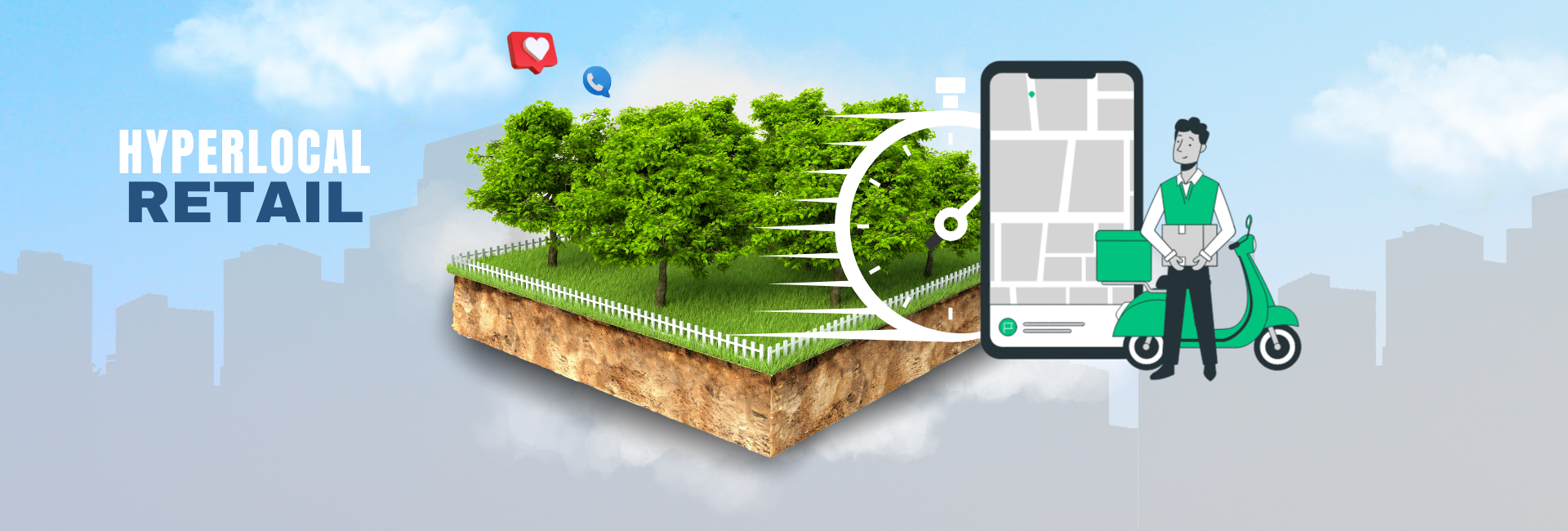
The term “hyperlocal” indicates a focus on a specific community or geographic area, addressing the needs of a clearly defined location, often extending only a few kilometers. To serve customers, both physical and online stores are utilized, along with platforms and smartphone applications. Special emphasis is placed on providing immediate delivery services, aiming to efficiently meet the needs of community members. By narrowing its focus to the boundaries of a neighborhood or a specific location, Hyperlocal Retail seeks to create a strong connection with local consumers, enhancing their loyalty. Essentially, it leverages modern technology to effectively bridge the gap between supply and demand, offering a high level of convenience and speed that traditional retail struggles to match. 

Although Hyperlocal Retail shares many similarities with other approaches, involving fast delivery in retail, such as q-commerce (delivery in a very short time from order, even within 15-20 minutes), what sets it apart is its emphasis on connecting local businesses with the local community. 

Understanding the business model behind Hyperlocal Retail 

As easily understood, a defining characteristic of Hyperlocal Retail is its emphasis on addressing the immediate needs of consumers in a specific area. Through online platforms like smartphone apps and e-shops, hyperlocal businesses connect customers with nearby retail merchants and transportation services. In contrast to traditional e-commerce models, which prioritize broader market coverage, hyperlocal business models shine by providing swift solutions to the immediate needs of consumers in proximity

Whether it’s grocery shopping, food orders, or healthcare and home maintenance services, hyperlocal e-commerce platforms have revolutionized how consumers access goods and services in their communities. The success of the hyperlocal business model hinges on its ability to deliver high-quality products and services directly to customers’ doors at impressive speeds. Leveraging technologies such as GPS, smartphone apps, and social media, hyperlocal businesses optimize the entire process. 

Businesses following this model rely on two main collaborators: local product suppliers (referred to as local retailers) and delivery agents, creating an ecosystem that facilitates the swift delivery of orders. Customers place orders through the platform, which forwards the order to a partnered retail store. The retailer prepares and packages the order, while delivery agents pick up the package and transport it to the customer’s location. It’s a win-win model: customers enjoy fast and easy access to products, while local retailers gain access to a broader customer base. 

The common goal of businesses and what they offer 

Hyperlocal platforms primarily cater to technologically savvy customers, typically from the Millennial and Gen Z generations, who prioritize convenience and are accustomed to daily use of online platforms for various needs. These platforms offer undeniable convenience, allowing customers to order products and services with just a few clicks, eliminating the need to visit physical stores. The key benefits include: 

This distribution model is particularly well-suited for products such as fresh foods and vegetables, pharmaceutical items, personal care products, paper goods, pet products, small household appliances, and all essentials for daily life in homes or small businesses. 

Challenges and future trends 

While hyperlocal retail has become a dominant trend in the industry, it does not come without its share of challenges. Addressing fluctuations in demand, optimizing delivery routes, and managing an effective workforce pose ongoing challenges. Local businesses also grapple with competition from larger retail chains that offer fast delivery through q-commerce and last-mile solutions. Additionally, smaller businesses face limitations imposed by small storage spaces. Expanding the customer base is another significant hurdle for hyperlocal businesses. 

However, the future of hyperlocal retail is very promising, marked by emerging trends such as the integration of artificial intelligence-based technologies, the extension into non-essential goods and the redefinition of last-mile delivery. As both e-commerce giants and local businesses continue to embrace hyperlocal models, the retail experience is becoming more localized and customer centric. Hyperlocal retail is ready to redefine how consumers access products and services, ushering in a new era of convenience and adaptation.