Read the Article

Leveraging customer data to predict trends in retail


More data = Greater competitive advantage! 

In the ever-evolving landscape of the retail industry, understanding consumer behavior, and consequently predicting future needs, has become more essential than ever. The most powerful tool businesses now have to serve this purpose is customer data, which includes information such as purchase history, preferences, demographics, interactions with the business, and feedback. 

Data can be collected through physical or online points of sale, company apps, loyalty programs, social media, and more. This vast source of information, when properly analyzed, provides valuable insights into the timing, manner, and reasons behind a customer’s purchase, but most importantly, it offers clues about their potential future actions.

The need to predict trends

Technological advancements have radically changed how businesses operate and how consumers shop. Data helps retail businesses identify shifts in product demand, preferences, and consumer patterns.

Today’s consumers not only expect but consciously seek personalized experiences from brands, an outcome of increased connectivity, social media, and real-time interaction capabilities. In fact, 3 out of 4 consumers are more likely to purchase from a business offering personalized experiences and will spend 37% more money. 

The ability of businesses to predict consumer trends is no longer just a marketing tool but a necessary strategy to cope with market volatility. The rapid pace of change demands quick and timely responses; otherwise, businesses risk falling behind their competitors. 

Decoding consumer behavior through technology

Technologies such as data analytics and machine learning enable businesses to process vast amounts of data and extract useful insights. This allows the identification of consumer patterns, trends, and behaviors that might otherwise remain hidden. 

Artificial intelligence (AI) further enhances data analysis capabilities by generating personalized forecasts, from product recommendations tailored to each consumer to inventory management aligned with expected demand. 

Benefits for businesses 

Leveraging data leads to clear advantages for businesses by increasing customer satisfaction and loyalty through experiences that meet diverse needs and desires. Trend prediction also boosts operational efficiency via targeted strategies, promotional campaigns, and better inventory management. Overall, data and its effective use create a competitive edge, as companies that recognize the need and adapt quickly to changing conditions stay informed about market developments and outperform competitors. According to research, retail businesses that fully utilize big data in daily operations can achieve up to a 60% increase in profitability. 

The challenges 

Data privacy protection is, of course, paramount. Compliance with GDPR, transparency in data use and storage, and obtaining customer consent are essential prerequisites. Eighty percent of consumers consider it important for businesses to have a clear and transparent data management policy, while 71% are discouraged by companies that request data but do not explain how it will be used.

Furthermore, data analysis requires specialized tools and personnel. Without these, businesses risk misinterpreting or incorrectly analyzing information. According to “The State of Dark Data” survey, 60% of respondents reported that half or more of their organization’s data ends up as “dark data” (collected and stored but unused). 

Finally, to maximize data utilization effectively, companies must invest in technology, infrastructure, and staff, a high upfront cost with strategic payoff. 

Strategies for effective data utilization 

Implementing pilot programs allows businesses to identify challenges on a small scale before full deployment. Simultaneously, developing partnerships with specialized technology and data analytics firms and fostering a continuous learning culture help maintain flexibility and competitiveness even as trends evolve rapidly.

Data is no longer just a technological burden but, with proper management, a strategic asset. Companies that consciously invest in understanding their data build trust with consumers, create more comprehensive and better experiences, and gain an advantage over the competition. 

Discover more about the future of retail and the opportunities offered by technological advancements in the “Retail Innovation Report 2024” by Cardlink, a Worldline brand, in collaboration with Found.ation. 


Stores transform into interactive shopping spaces

AR


What the physical store looks and feels like in the digital era. 

In recent years, physical retail spaces have been undergoing constant transformation. The traditional store model, focused primarily on products or services, no longer seems as effective in attracting customers. Today’s consumers are looking for more than just the purchase of a product: they want a unique, interactive experience that adds value throughout the shopping trip. The result? The transformation of brick-and-mortar stores into interactive shopping environments has become one of the dominant global trends in retail.

Changes in consumer behavior are driven largely by rapid technological advancements and the growing demand for personalized experiences. As technology continues to shape the retail landscape, terms like digitalization, CX (customer experience), and omnichannel have become part of the industry’s daily vocabulary. In fact, consumers are 60% more likely to return to a business if the brand successfully delivers an ideal experience at every stage of their shopping journey, blending online and offline channels seamlessly. 

The need to transform physical spaces 

The rise of e-commerce and intense competition from countless online marketplaces have forced physical stores to redefine their role in the industry. Consumer expectations are evolving, and today, it’s not enough for stores to simply be points of sale. Customers now expect an experience, something online platforms cannot replicate in the same way as a physical space.

Engaging with the store environment and the product itself through innovative tools and practices, receiving personalized advice and recommendations, and participating in in-store activities create a rich set of stimuli that guide customers toward making a purchase. The challenge for retailers is to bridge the gap between the convenience of online shopping and the tangible, immersive experience of in-store visits. The answer seems to lie in new technologies that enhance the shopping experience. 

Interactive shopping: how it’s achieved 

The merging of the physical and digital worlds gives rise to phygital shopping experiences, a blend of methods and design elements aiming to capture customers’ attention in unique ways. AR and VR lead the way, enabling customers to interact with products digitally. Virtual Reality mirrors, virtual fitting rooms, and other tools allow customers to try products in new ways. Smart devices and IoT sensors can track shoppers’ movements in-store, helping retailers adjust layouts, services, and even product placement. Smart shelves, on the other hand, provide real-time suggestions for complementary or alternative products. All data collected from these devices can be analyzed with the help of Artificial Intelligence (AI) to create personalized experiences, including tailored promotions and discounts.

Gamification has also emerged as a powerful tool to transform and enhance the shopping experience. By incorporating game-like elements such as challenges, rewards, and points, retailers attract customers seeking entertainment in addition to shopping. For example, in 2018, Under Armour created a trivia game to promote exclusive products linked to basketball star Stephen Curry. Participants who answered all multiple-choice questions correctly won prizes or reward points, while some lucky players received collectible signed merchandise or even game tickets. Loyalty programs also fall into this category.
Starbucks offers one of the most successful examples: in 2024, with nearly 34.3 million active members in the US, the company saw 41% of its sales generated by loyalty members, who enjoy a 44% retention rate, well above the industry average of 25%, and are 5.6 times more likely to visit a store daily. 

QR codes give customers instant access to detailed product information or exclusive offers, while touchscreens create a more engaging environment. Meanwhile, self-checkout systems, contactless payments, and the option to pay online and collect in-store streamline the buying process for speed- and efficiency-conscious shoppers. According to PwC, 72% of Gen Z prefer self-checkout to traditional methods, and 70% choose mobile payment when shopping in stores. 

Benefits and challenges 

Nearly 75% of consumers are not only more likely to purchase from businesses offering personalized experiences, but they’re also willing to spend 37% more. By enhancing the customer experience, retailers strengthen their brand relationship. In a market saturated with competitors, offering an interactive experience can be a key differentiator, giving an edge to those who invest in it.

However, integrating interactive experiences into physical stores comes with challenges. Advanced technologies such as AR/VR systems, AI, and smart devices involve significant costs, and retailers must be prepared for a period before these investments yield tangible returns. Staff must also be continuously trained in any new technology implemented so they can assist customers effectively, ensuring the best possible experience and providing help when needed.

Strategic implementation 

Pilot testing, data-driven decision-making, and strong partnerships form the foundation of success. Before committing to a full-scale transformation, retailers can run pilot programs to assess whether new technologies meet their objectives and resonate with customers. These trials generate valuable data, clarifying customer expectations and helping businesses fully understand their target audience. Once goals and expectations are clear, finding the right partners, suppliers, and technicians specialized in cutting-edge technologies becomes essential to ensure a smooth transition.

The future of retail belongs to businesses that embrace change, leverage technology and innovation, and prioritize meaningful connections with their customers. 

For more retail trends, read the “Retail Innovation Report 2024” by Cardlink, a Worldline brand, in collaboration with Found.ation. 


Eco-consciousness at Every Point of Sale


How green is becoming the color of retail industry.

Adopting an eco-friendly approach and prioritizing sustainability at every stage of product and service sales has emerged as a strategic priority for the retail sector. Businesses, considering technological advancements and constantly evolving consumer behaviors, are realizing that going “green” not only benefits the environment but also presents a significant business opportunity for growth and differentiation.

From physical stores to the online shopping experience, sustainability has become a key factor influencing customer decisions to complete a purchase. According to Diverstech, 64% of consumers want brands to reduce packaging usage, 50% seek greater transparency about recycling practices, and 46% require clarity on product origins.

Supply chains: Sustainability from the start

Transitioning to a sustainable supply chain is no longer optional; it is an urgent necessity. One effective way to reduce a company’s environmental footprint is to collaborate with local suppliers, thereby cutting transportation costs and lowering carbon emissions. Likewise, selecting partners who follow sustainable practices strengthens a business’s overall ecological strategy.

At the same time, upcycling (the creative reuse of by-products, waste materials, or unwanted products into new items of higher quality or value, whether economic, artistic, or environmental) and recycling (the process of collecting waste materials and converting them into raw materials for new products) are becoming central to reducing waste. Conscious production that avoids overproduction, reuses products and raw materials, and promotes recycling leads businesses towards greener operations.

Physical stores: Redefining spaces

When we talk about eco-consciousness in retail, energy efficiency often comes to mind first. Businesses are redesigning their spaces to consume less energy, more from renewable sources, without compromising the customer experience. Common examples include switching to LED lighting and smart energy management systems, upgrading heating and cooling systems, and installing solar panels.

Additionally, stores should address waste management and resource conservation. Excessive paper use, for receipts, menus, or product tags, is a prime example. A sustainable alternative is electronic shelf labels, which allow price or product information to change instantly with zero waste. Similarly, replacing traditional paper posters with digital displays reduces waste while enabling dynamic, real-time content updates.

Paper usage can also be reduced through digital transactions and e-receipts, which are sent directly to customers’ mobile devices after a purchase. In the UK alone, more than 11 billion paper receipts are issued annually, generating 28,000 tons of carbon emissions, with 9.9 billion of them ending up as waste. Adopting digital receipts could save around 53,000 trees from being cut down only to end up in landfills.

Online sales and delivery services

An eco-conscious approach to online retail is equally important, as consumers expect green practices across all channels. Sustainable packaging has become a global trend, with materials designed to be both durable for shipping and environmentally friendly. Using recycled and recyclable materials, reusable products, and avoiding unnecessary raw materials reduces production, transportation, and environmental costs.

Offering alternative delivery options is another step towards a more sustainable future. While express delivery services have shaped customer expectations, they also have a negative environmental impact. Though eliminating express shipping entirely may not be feasible, retailers can provide eco-friendly alternatives for customers who prioritize sustainability. For example, Amazon has pledged to make its shipments “net zero carbon” by 2040, while Harrods in the UK announced it is replacing its diesel delivery fleet.

Educating and raising awareness among staff and customers

While many businesses are aware of sustainable trends, few recognize that the first step is educating their workforce. Green upskilling involves continuously training employees on environmental issues so they can actively contribute to a company’s sustainability efforts.

Meaningful learning can be achieved through targeted programs on topics such as waste management, recycling, and energy efficiency, delivered via e-learning, workshops, or on-the-job training. This is not a one-time effort but a lifelong learning process that requires commitment from both the business and its employees to ensure ongoing improvement in skills and eco-knowledge.

Beyond employees, customers can also be encouraged to make more sustainable choices when purchasing products or services. Businesses can promote reuse and recycling by offering incentive programs that reward customers for returning or repurposing their old items.

Why should retail go green?

Retailers that embed eco-friendly practices across all points of sale contribute to a better future while also reaping long-term benefits. They attract more conscious consumers seeking brands that align with their values, reduce waste, lower energy consumption, and improve efficiency, ultimately lowering costs. They also strengthen their brand image and foster a deeper emotional connection between customers and products.

The retail of the future is greener, more innovative, and more efficient. For more trends, read the “Retail Innovation Report 2024” by Cardlink, a Worldline brand, in collaboration with Found.ation.



Efficiency and Growth: Where Should Retailers Invest?


Strategies Shaping the Future of Retail

The retail sector continues to undergo transformation in response to economic challenges, rising consumer expectations, and rapid technological innovation. As businesses seek new ways to deliver value to the increasingly demanding customers, investing in digital tools, upskilling their workforce, and deploying modern marketing strategies with a focus on sustainability and customer experience is more essential than ever.

Maximizing the Data Value

Beyond traditional data sources such as POS systems or inventory reports, retailers can now tap into additional data streams including social media, in-store camera footage, and even weather reports, all of which can significantly inform supply chain decisions. However, leveraging this wealth of information through simple tools like spreadsheets is increasingly ineffective. Despite this, as of 2023, 67.4% of supply chain managers still relied on spreadsheets as their primary management tool, a number that is slowly declining. Transitioning to more advanced systems that combine AI and data analytics allows businesses to improve operational efficiency, offering greater agility and accuracy.

Workforce Training and Development

Retailers aiming for sustainable growth must consistently invest in their workforce. This means creating a supportive work environment and offering continuous learning and professional development opportunities. Providing employees with the necessary time, tools, and resources not only enhances performance but also boosts job satisfaction, translating into improved business outcomes.

Customer Experience (CX)

The fusion of physical and digital retail, known as “phygital”, has reshaped how consumers shop. By 2027, click-and-collect services are projected to account for nearly 20% of total e-commerce spending, highlighting growing demand for hybrid shopping experiences. Retailers that integrate digital tools with in-store experiences can reduce cart abandonment, boost exposure to in-store promotions, and create cross-selling opportunities. Crucially, physical stores must integrate e-commerce and real-time inventory systems to ensure that online purchases are fulfilled quickly and efficiently.

With customer touchpoints multiplying, the need for a unified, consistent omnichannel strategy becomes imperative. Brands that invest in seamless omnichannel experiences benefit greatly, as satisfied customers are 3.6 times more likely to purchase additional products or services, according to Deloitte. Omnichannel shoppers also tend to spend more and exhibit greater brand loyalty compared to single-channel or online-only consumers.

Incorporating chatbots into the customer service strategy can also elevate the overall experience, offering benefits such as efficiency, personalized interactions, and 24/7 availability. Businesses leveraging chatbots save time and reduce operational costs while enhancing CX through data analysis. For instance, Sephora’s chatbot uses customer data to deliver tailored client service; a strategy that contributed to its net sales increasing from $580 million to over $3 billion between 2016 and 2024.

Marketing and Advertising

Utilizing tools like Google Ads, social media, and email marketing enables businesses to conduct targeted campaigns with measurable results. Companies can focus on platforms preferred by their audience, using behavioral analytics to craft campaigns tailored to each segment. Performance tracking via platforms such as Google Analytics or specialized CRM systems helps evaluate effectiveness, optimize strategy, and maintain a competitive edge.

In an environment where consumers are constantly exposed to marketing messages, standing out is a challenge. This is where gamification marketing (turning brand interactions into engaging experiences) comes into play. Interactive games, reward points, badges, challenges, and contests add value to customer interactions, encouraging repeat engagement and fostering brand loyalty.

Cybersecurity and Data Protection

As businesses increasingly rely on digital tools that collect, and process vast amounts of data, cybersecurity and data protection have become more critical than ever. Retailers must invest in robust security solutions, including firewalls, antivirus software, malware detection tools, and technologies such as SSL/TLS encryption and secure payment gateways. These measures must comply with the General Data Protection Regulation (GDPR) to ensure lawful handling of customer data, reduce fraud risks, and guard against phishing attacks.

Payment Options Alternatives

The payment landscape is evolving rapidly, offering a diverse range of options to consumers. According to Deloitte, the future of payments includes minimal cash usage, with traditional checks nearly phased out. Credit and debit cards, peer-to-peer payment apps, e-checks, and digital wallets are becoming standard. Additionally, Buy Now, Pay Later (BNPL) services are growing in popularity, enabling installment payments after product delivery.

Sustainability and Social Responsibility

Retailers, especially those appealing to younger generations, must adopt practices that reduce their environmental footprint. Eco-friendly, biodegradable, recycled, and recyclable packaging, as well as reusable materials, not only support environmental goals but also resonate with conscious consumers. A PwC study found that 46% of participants choose eco-friendly products to protect the environment, and 80% are willing to pay a premium for them.

Retailers should also redesign physical stores with energy efficiency in mind. Installing LED lighting, smart heating and cooling systems, and solar panels can reduce energy consumption without compromising the shopping experience. Lowering carbon emissions and the overall environmental impact contribute to building a greener brand identity.

Beyond environmental concerns, community engagement is becoming a key pillar of retail strategy. Supporting local suppliers, organizing community events, and backing social initiatives helps businesses strengthen their connection with customers and foster mutual prosperity.

The future of retail is set to be dynamic and exciting, shaped by emerging trends and technological advances that redefine how consumers interact with products and services.

For deeper retail insights, explore the “Retail Innovation Report 2024”, published by Cardlink, a Worldline brand, in collaboration with Found.ation. The report offers valuable information on consumer behavior, market opportunities, and the challenges and innovations transforming the retail landscape.
Technology as a Strategic Tool in Retail


How Technological Advancements Are Reshaping the Retail Sector

Technology and digital transformation have become undeniable catalysts for progress in the retail sector in recent years. What is now becoming increasingly clear is the necessity for a meaningful digital upgrade; one that creates the ground for cultivating a comprehensive and successful business strategy. Embracing technological tools enables businesses to adapt more seamlessly and rapidly to the constantly evolving landscape, save both time and financial resources, and achieve high levels of customer satisfaction. So, what key factors should retailers consider to maximize these benefits?

The Importance of Speed and Operational Efficiency

Terms such as “agility”, “efficiency”, and “consistency” have never been more crucial and now define the priorities of any business striving to remain competitive in today’s retail environment. According to PwC, global investments in retail technology are expected to increase by 10% between 2024 and 2028, a significant rise from the 4% growth observed in the previous four-year period. Below are some key areas where technology is fueling retail growth.

Artificial Intelligence: New Opportunities in Retail

Artificial Intelligence (AI) has recently emerged as a game-changer across the retail landscape. Its ability to rapidly and effectively adapt to provided data, along with its capability to detect shifts in consumer behavior, makes AI a critical asset for delivering exceptional customer service in dynamic environments. Retail businesses integrate AI solutions to identify and predict consumer trends and create personalized experiences. From AI-driven chatbots to intelligent virtual shopping assistants, these tools enhance customer interaction and foster a long-term brand loyalty.

Harnessing the Power of Data Through Advanced Analytics

Every interaction, whether minor or major, generates valuable data; from the amount of time a customer spends evaluating a product to the number of potential buyers who have seen it. These insights provide a strategic advantage for businesses. Data analytics tools help retailers understand consumer behavior and predict future trends. Analyzing such information allows businesses to adapt quickly and refine their marketing strategies. According to Fortune Business Insights’ Retail Analytics Market Analysis, the global retail analytics market was valued at USD 7.56 billion in 2023 and is projected to grow from USD 8.75 billion in 2024 to USD 31.08 billion by 2032, with a CAGR of 17.2%. These numbers underscore the critical importance of leveraging such tools for business growth.

Evolving the Supply Chain Through Technology

The use of automated systems and robots for storing, organizing, and delivering products, along with the integration of advanced tools for real-time supply chain monitoring, enables companies to increase operational efficiency and reduce costs.

According to The Economist, 65% of CEOs anticipate that gen-AI could optimize or automate up to 50% of supply-chain operations within the next three years. By adopting these solutions, companies increase operational efficiency, lower costs, and accelerate purchasing processes, while improving the overall customer experience.

Technology as a driver of Sustainability

Sustainability has become increasingly integral to retail, as it involves selling products or offering services in ways that minimize environmental and social impact. From sourcing alternative raw materials to implementing carbon-neutral tech practices, “sustainable retail” is now at the forefront. A compelling example is the use of AI-powered digital showrooms, such as in the cosmetics industry, where customers can virtually “try on” products, saving both time and resources that would otherwise be spent on producing physical samples. Remarkably, nearly 50% of global consumers prefer buying from brands that have clearly adopted more sustainable practices and strategies, according to Diversitech Global.

Digital Marketing: A strategic imperative

A successful digital marketing strategy takes full advantage of all the data collected and adjusts content to meet diverse consumer needs. Tools such as SEO and SEM boost a brand’s online visibility and accessibility. Additionally, digital tools that track metrics like ROI (Return on Investment) help the performance evaluation of their marketing campaigns and fine-tune their strategies to remain competitive in the market.

Retail Tech Trends for 2025

New technologies, digital tools, changing consumer behaviors, and innovative business models are transforming how retail operates. AI, in particular, is expected to remain a dominant trend. Its ability to rapidly process vast amounts of data and generate actionable insights makes it an integral part of digital business evolution. One emerging concept enabled by AI and data analytics is “Subconscious Commerce” (a proactive retail model where consumer desires are predicted and met before the consumers themselves are even consciously aware of them). This practice collects real-time data from shopping history, web browsing, and social media to forecast future needs and deliver personalized recommendations.

Alongside all the technological tools available to modern retail businesses, Omni-channel strategy is becoming central. This refers to a cohesive presence across all platforms, both digital and physical, and is closely aligned with the concept of Phygital Retail. According to Polestar, 73% of consumers switch between different channels before making a purchase decision, and 95% research the product online. For example, a consumer may discover a product on their mobile phone, seek more information online, test it in a physical store, and then complete the purchase digitally.

For more trends and an in-depth analysis of the retail sector’s developments, download the Retail Innovation Report 2024, by Cardlink, a Worldline brand, in collaboration with Found.ation.
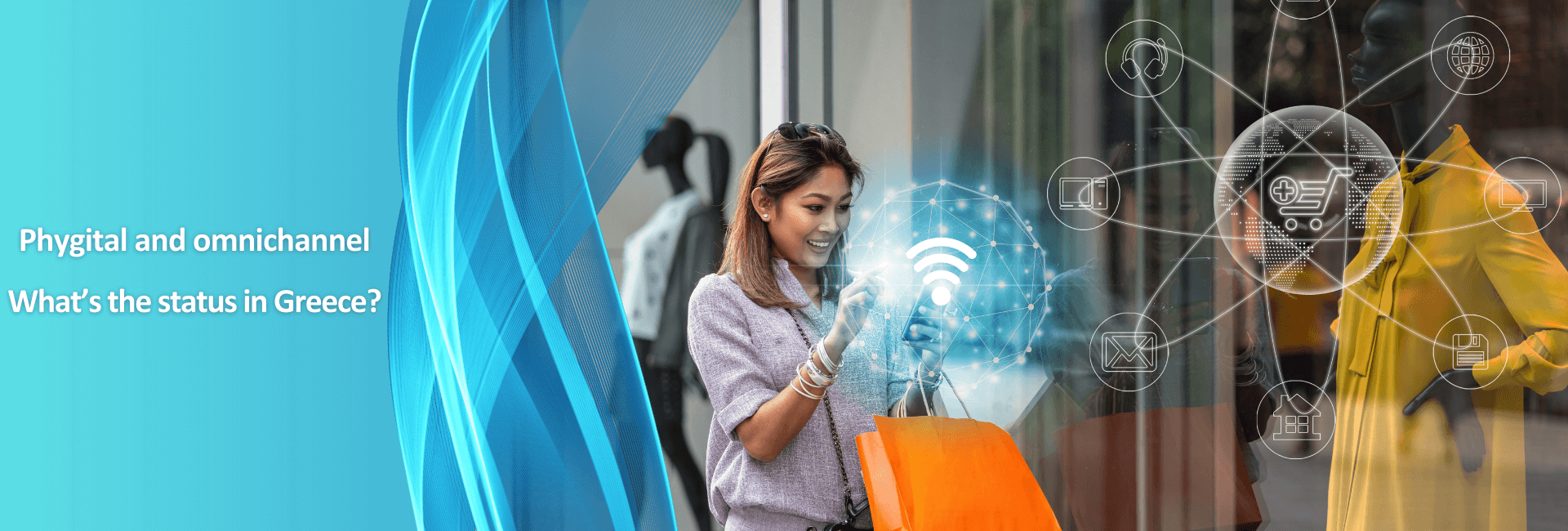
The future of retail is written in phygital and omnichannel terms

The future of retail is written in phygital and omnichannel terms

The philosophy of a unified customer experience necessitates the convergence of digital and physical shopping experiences.

Today, the global retail industry is facing the “perfect storm”. The pandemic has profoundly changed not only shopping habits but also the expectations and values of consumers, as they no longer exclusively shop online or only in physical stores. The current shopping journey is “phygital” and is guided by an omnichannel approach that blends e-commerce with the in-store shopping experience. Younger consumers, in particular, seek a more personalized, if not entirely customized, shopping model.

The success of retail businesses depends on their ability to provide a combined digital and physical experience, with “phygital” solutions being the optimal way to satisfy today’s demanding customers who are constantly online. Given these circumstances, the future of retail is already being written in digital terms, with the integration of technology becoming increasingly crucial for attracting customers back to physical stores and creating unique shopping experiences.

Advanced technologies such as virtual and augmented reality, artificial intelligence, and data analytics have become invaluable allies for retail businesses, allowing them to create personalized offers for each customer, improve the payment process, invite customers to visit the business repeatedly with new incentives, and more. It is no coincidence that out of the projected $1.19 trillion in global retail sales during the holiday shopping season (November-December 2023), $200 billion will result from actions and experiences supported by artificial intelligence (Salesforce).

Through phygital solutions, retail businesses can harness the potential of technology in the effort to integrate physical and digital channels. By leveraging phygital solutions, they can provide physical stores with an exceptional customer experience through technologies such as digital kiosks, digital screens, QR codes, and smart mirrors, emphasizes Deloitte in the study “Global Powers of Retailing 2023: Shaping the Store of the Future.”

From analytics to the in-store customer experience

In an era where technology is now essential for enhancing customer loyalty and promoting business success, it is not surprising that businesses achieving better performance than their competitors are those that implement practices aimed at optimizing the customer experience (CX) using analytics and artificial intelligence technologies.

Digital cash registers where customers scan and pay for products, virtual product try-on experiences using augmented reality (AR) and artificial intelligence, smart mirrors displaying information about products – these examples are not visions of a distant future but innovations that the global retail industry is already investing in. More than one in two retail businesses plan to increase their investments in CX technology by at least 25% over the next two years, according to research by MIT on behalf of SAS (“Delivering Experiences That Win Business and Build Loyalty: CX Champions Share Their Strategies”).

It’s no coincidence that the top 10 players in the global retail industry for 2023, according to Deloitte’s research, have leveraged modern technology solutions to strengthen both the digital aspect of their physical stores and to develop and enhance alternative omnichannel experiences.

What consumers want

These technological tools serve both consumers and businesses by optimizing in-store operations, such as contactless transactions, self-service options, and electronic payments. These processes have become essential as consumers have become more selective in their purchases, setting high standards and demanding a shopping experience that includes flexibility, innovative technology, security, and convenience, whether they are shopping online or in physical stores.

It’s no coincidence that, on average, 3 out of 4 consumers in Europe state that they would abandon a purchase if they had to wait at the checkout for more than 5 minutes. Furthermore, 3 out of 5 now use self-service checkout kiosks to expedite their transactions (according to PayPal).

What the status is in Greece

Following international trends, Greek consumers are choosing to make their purchases both in physical stores and online, seeking an omnichannel shopping experience. Today, although 76% of Greeks make their purchases online, they desire a more “phygital” shopping model (Focus Bari and Plushost).

According to the same research, Greek consumers prefer online shopping due to better prices and offers (74%), time savings (62%), and avoiding the need to travel to physical stores (55%). Additionally, 50% say they shop online because they find a wider range of choices, and 49% mention that online orders save them from waiting in queues at physical stores. When it comes to physical stores, consumers choose them for immediate product pickup (69%) and the physical interaction with the product (65%).

In an era where consumers have high expectations, payment methods are also becoming a key point for the retail industry. This is leading businesses to upgrade their equipment to support all payment methods. In Greece, for example, while debit cards remain the most popular payment method (60%), digital wallets (e-wallets) are gaining significant traction, making in-store purchases just as easy and fast as online ones.

According to “Focus on Tech Life Tips” by Focus Bari, the use of e-wallets in the Greek market has surged by 146% in the last two years. While only 6% of consumers paid with a digital wallet in the first half of 2020, today, this percentage has reached 14%.

So, in Greece too, retail businesses are called upon to undergo a true revolution in their purchasing model. This revolution will offer a seamless omnichannel shopping experience to serve the customer better.

Generative AI: The power transforming retail

How can artificial intelligence boost sales and positively impact retailer-customer interactions?

In recent months, Generative AI has increasingly been in the spotlight, emerging as one of the most promising technologies for digital transformation with broad applications. OpenAI’s ChatGPT, introduced in late 2022, is an excellent example of artificial intelligence capabilities. Although not based on human logic, it uses probabilities to generate reasonable and human-like responses based on available data.

The power of Generative AI though, extends beyond chatbots. The retail industry can greatly benefit from utilizing Generative AI in various applications, including communication design, supply chain optimization, and automation of e-commerce workflows. Even smaller businesses can take advantage of this technology as its implementation cost is often minimal.

According to Accenture’s Technology Vision 2023 report, an overwhelming majority of retail executives (96%) express strong enthusiasm for the new possibilities offered by foundation models (the technology supporting Generative AI applications like ChatGPT). The same research revealed that over 90% of executives believe foundation models will play a significant role in their retail strategies for the next three to five years. Moreover, more than 50% of respondents have already started exploring experimental applications of Generative AI in areas such as customer support and process automation.

Enhancing customer experience through conversational commerce

Generative AI can significantly enhance the customer experience through conversational commerce. This technology allows brands and businesses to integrate Generative AI into their digital environment to provide more personalized and effective search capabilities. Conversational product search, powered by Generative AI, accelerates the search process and suggests options that best match the customer’s profile by analyzing their search history and focusing on reasonable next choices for everyone. This, in turn, can lead to more rapid purchases, improved conversion rates, and enhanced cross-selling. For example, under a blog post about camping, relevant product recommendations can be displayed, eliminating the need for the customer to wonder what is required when planning a relevant activity.

Additionally, Generative AI can bolster support through chatbots, offering sophisticated responses tailored to each customer’s needs and personalized interactions that align with the retailer’s and brand’s style and tone of voice. This greatly surpasses the limitations of traditional chatbots (usually relying on a limited number of pre-programmed scenarios) and creates an entirely new communication and support experience for customers, making them feel like they are interacting with a human and ensuring a higher level of service.

Optimizing supply chain operations

The conversational capabilities of Generative AI can enhance interactions between humans and machines in the supply chain sector. For example, Generative AI can provide real-time package tracking information, responding to customer queries more quickly and accurately. It can also optimize packaging processes by analyzing and calculating product dimensions faster than a human, thereby reducing the overall time it takes for a shipment to reach its recipient.

Automating content creation in e-commerce back-end

Generative AI can improve the customer experience not only on the front-end but also automate workflows in the e-commerce back-end. It can automatically generate consistent and accurate product descriptions and create personalized graphics by analyzing text descriptions and data from images, eliminating the need for new photo shoots. Additionally, Generative AI can assist in generating website content, improving e-commerce support processes, and freeing up employees’ time for other business tasks. This efficient solution allows businesses to focus on more strategic initiatives and increase their productivity as needed. It can be useful even for retailers that have a website but not necessarily an e-shop, as AI-generated content can be applied for advertising purposes (e.g., brochures, posters, banners, etc.) in digital or printed format.

Addressing challenges

While Generative AI offers numerous possibilities for retail, it is essential not to overlook the risks and challenges it may present. Artificial intelligence models like ChatGPT may currently provide answers that appear correct and reliable, but they may not always reflect reality. Therefore, careful verification and content review are necessary in every case. Furthermore, the development of a regulatory framework governing the use of Generative AI is underway, and its operation and use may change in the very near future. Such regulation is essential to provide guidelines and ensure transparency in the use of this technology.

Startups and investors embrace AI

Generative AI is a powerful tool with significant potential and prospects, and as it continues to evolve and shape the industry, we can expect to see more and better applications of it in the retail sector. Moreover, investments in startups developing artificial intelligence solutions are continually increasing. According to data from the Organization for Economic Co-operation and Development (OECD), investments in startups involved in Generative AI skyrocketed in 2023 and are projected to surpass 45 billion dollars worldwide. The future looks exciting!

Product Returns: A Trillion Dollar Challenge

Consumers are returning products more and more often – how can the retail industry cope with the cost?
The changes in retail in recent years, that accelerated even more by the rise of e-commerce and, of course, the pandemic, include a new major challenge for merchants, which in previous years was not so prominent: the issue of returns. Now, returns are considered an integral part of the customer journey and something that will concern commerce more in the future.
Even before the outbreak of the pandemic, however, there were signs that returns would become an increasingly important part of the shopping experience. In 2019, Tobin Moore, CEO of Optoro, noted that in the coming years, as e-commerce grows around the world, “the value of returns will reach $1 trillion dollars a year”. At the same time, David Sobie, co-founder & CEO of Happy Returns had mentioned the difference in the rate of consumer returns when buying something in stores compared to returns in online purchases, with the rate of the former being 5-10% and of the latter 15-40%.

The returns keep increasing

In subsequent years, the data showed that the rate of returns was constantly increasing. According to data released in early 2022 by the National Retail Federation (NRF) and Appriss Retail, in 2021 the overall return rate in the US was 16.6% compared to 10.6% in 2020, with online shopping returns however stabilizing at 20.8%. According to the same report, in the US alone for every $100 in returned merchandise accepted, retailers lose $10.30. At the same time, retailers expect more than $761 billion worth of merchandise sold through 2021 to be returned by consumers. This means that refunds are already a $1 trillion problem and will continue to be an even bigger problem in the near future.
According to a McKinsey survey published in May 2021, nearly 75% of retailers agree that returns are “a necessary evil”. They are now a part of business that is often overlooked, but has a huge impact on their brand. In fact, 84% of consumers polled by Doddle, as cited in the same survey, said that the returns experience plays an important role in their opinion of a retailer, while around 95% noted that a poor returns experience will make it less likely that they will make a purchase from a particular brand again.

Addressing the issue of returns

Nevertheless, how can a retailer deal with the rising costs of returns and in what ways can this new reality not become a significant burden on their business?
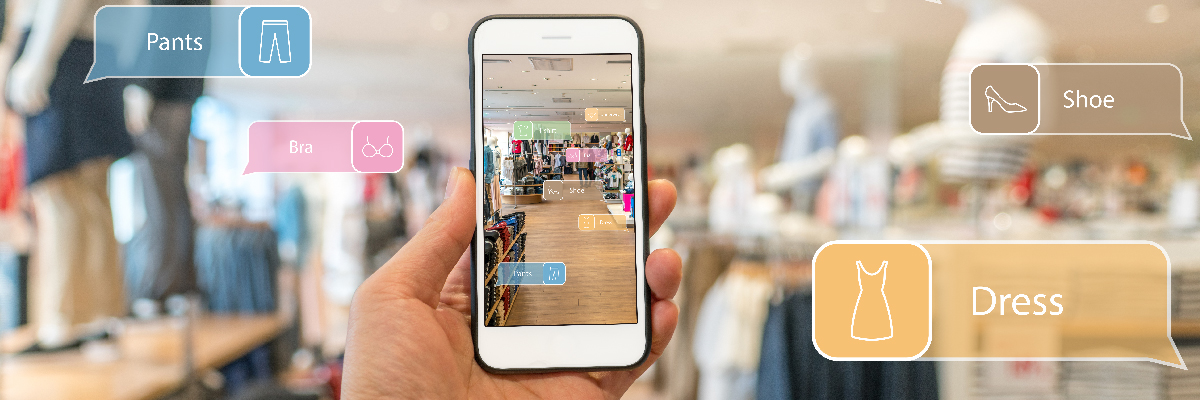
Certainly, actions that can limit the possibility of returns play an important role. A quality check on the products can prevent a negative experience from consumers, which will lead them to product returns, as well as errors (especially on sites and online sales) that can lead the brand’s customers to wrong purchases. The products must be presented accurately on the site of a brand or store, so that there are no doubts among the buyers. Particular attention should be paid (especially in shopping for clothing and footwear) to the correct display of colors and sizes, while ways for consumers to calculate their size correctly, even online where there is no possibility to try on (via special software or even charts), can help to avoid buying a product that needs to be returned. Augmented reality apps that help a consumer better imagine an object in their space or an accessory on them can lead to purchases for which users feel more confident.
Of course, as part of the online purchase experience, shipping also plays an important role, as a rough or wrong packaging can result in a broken or damaged product reaching the consumer, which will necessarily have to be returned and replaced, with a significant cost to the retailer.

Educating consumers

It is important to have some provisions regarding the store’s return policies that are clear to consumers in advance. The entire procedure must be accurately described in such a case, as well as who bears the cost. In many cases, charging for e-shopping returns is a preferred solution. Not long ago, the leading clothing chain Zara became the latest retailer to start charging shoppers to return products bought online if the return is not made in one of the company’s stores. European customers must pay €3.45 to return their purchases, with the cost deducted from the refund amount. Products bought online can still be returned free of charge to chain stores, which presents many advantages as a method. A consumer who goes to the store even to return a product is more likely to buy something new or something extra that they saw in front of them. Additionaly, the returned product is back on the shelf for sale sooner than if the postal route was followed, reducing risk of withdrawing from the sale because e.g. its time has expired or it went out of fashion/season.
If the store cannot bear the burden of the refund, it can clearly state that it is refunding to a gift card or loyalty card instead of cash or to the customer’s credit/debt card.
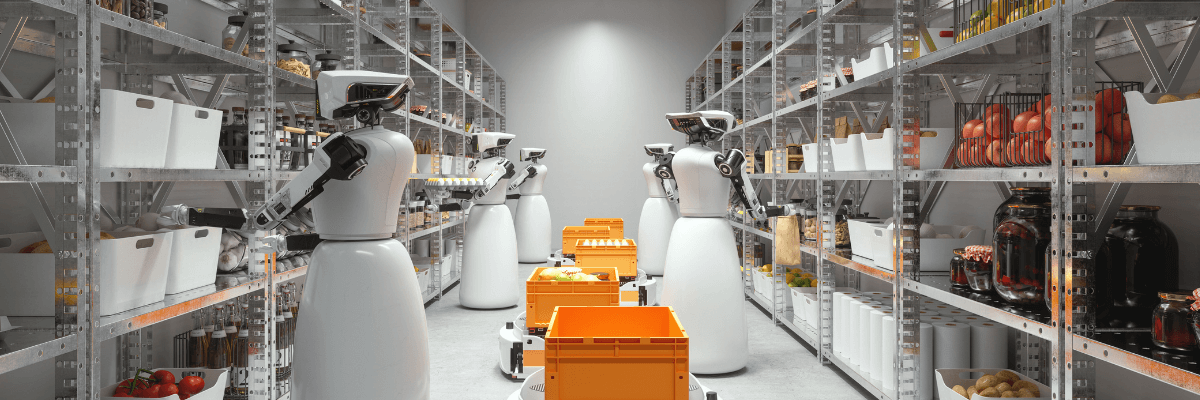
Regarding businesses that also maintain physical stores in particular, there are modern automated solutions that speed up returns and put less burden on a store and its staff. For example, some retailers abroad are already implementing the solution of special “Return Bars“, i.e. special points where customers can deliver their returns quickly, using QR codes or another method. Technological developments in the retail sector are an ally in this case as well, offering solutions that make the chain that connects the merchant with the consumer more efficient, bringing the products faster from one end to the other, revealing -through data analysis- audience preferences and areas for improvement, reducing costs and increasing customer satisfaction.

Returns are a necessary evil for merchants, but one they can deal with without significant negative consequences. What they need to do is turn in-store product returns into a good shopping experience for their customers and see the new reality as an opportunity from which they can get valuable data for the development of their business.
What do the experts recommend? Place more emphasis on increasing first sales and customer satisfaction, so that the cost of returns becomes less and less. The problem of returns is one of the topics discussed at the 1st Retail Tech Communities Workgroup, organized by Cardlink with the support of Found.ation, as part of the Retail Innovation Hub actions. Read more insights regarding the challenges retail faces, and what the experts have to say in our free Retail Insights Memo.

How did the pandemic change consumer habits?

What, how and where do consumers shop during the Covid-19 era?

In the last two years, we have experienced important changes in our lives, due to the unexpected onset of the Covid-19 pandemic. Among all others, we have become different as consumers. But what are the changes that have taken place in consumer habits? What do consumers buy now, from where and in what ways?

Delivery is dynamically enhanced

People may not have been able to visit restaurants for a long time, but that doesn’t mean they stopped discovering new tastes, even at home. According to a recent survey by IELKA (Research Institute of Retail Consumer Goods), 4 out of 10 Internet users now order food online. In addition, according to data from Euromonitor International, the share of spending on e-commerce related to food and beverages exceeded 10% in 2020, from just 3% in 2015, while, according to the survey ‘Voice of the Consumer: Lifestyles’ of Euromonitor International, 46% of consumers aged 30-44 years ordered food to go or for delivery in 2020, from 34% in 2019. At the same time, new trends have sprung up in delivery, such as ghost kitchens (stores that can deliver food, without having space to serve customers or a shop window), which, according to Euromonitor, will represent a business opportunity of 1 trillion dollars by 2030.

What other online markets have been boosted?

Which markets, however, flourished the most during the pandemic? According to a study by Plushost in collaboration with Focus Bari, which studied the relationship between consumers and e-commerce before, during and after the restrictive measures in 24 different market sectors, the categories that grew during the quarantine period are Cosmetics / Perfumes (+ 17%), Clothes & Shoes (+ 12%), Underwear / Pajamas (+ 12%), Toys (+ 10%), Medicines / Supplements (+ 8%), Gift Items (+ 8%), Sports Equipment (+ 8%), Books (+7%) and Sportswear / Shoes (+ 6%). In terms of where consumers shop, online shopping orders from Skroutz / Best Price precede with a percentage of 28%, followed by chain shops’ websites (27%) and of course stores that offer many different brands.

Great rise for e-commerce in general

E-commerce has, of course, taken off. According to statistics concerning Greece from the Europe e-commerce report 2021, the percentage of Internet users who buy goods or services online reached 59% in 2020, with the forecast to reach 63% in 2021, from 45% in 2016. Similar are the statistics of ELSTAT, according to which, in the first quarter of 2021, online purchases were made by 60% of consumers, having an increase of 22% compared to the corresponding period last year.

How do consumers pay?

Of particular interest are the findings regarding payment methods, where consumers still prefer Cash on Delivery (CoD) albeit to a lesser extent (63% before the pandemic, 56% in quarantine, 57% in the click-in-shop system and 59% today). Overall, however, a significant increase was noticed in card usage, during the pandemic period. According to an interim report of the Bank of Greece on monetary policy 2021, card payments made by physical presence at a physical EFTPOS terminal in 2020 amounted to 28.7 billion euros, an increase of 29% over the previous year, while the corresponding value of those carried out remotely amounted to 6.8 billion euros in 2020, an increase of 71% over the previous year.

Support for local markets increased as well

The quarantine also brought a strong interest in local markets. In 2020, according to statistics from the European Commission, 81% made purchases closer to home and supported local businesses, in a statistic proving that people, after the onset of the pandemic and the constraints it has brought to their lives, have turned a lot to their neighborhood and to the shops closest to their home.

Keeping up with trends and helping businesses in the world of retail to understand them is one of the aims of Retail Innovation Hub – a regional platform with the ambition to facilitate the development of retail in the digital age. More insights were presented at the Retail leaders Innovation Workgroup on January 20th, an interactive online event aimed at sharing ideas and identify challenges that have a broad impact on the industry and require solutions. The insights from this workgroup are available in a mini report that you can download here for free.

Innovation in Retail

Innovation in retail

In a rapidly transforming trade industry, these are the trends that will prevail on a global level

In an era when what we take for granted is changing at a breakneck speed, it is reasonable for the retail industry to be affected and transformed. On the one hand, the pandemic and on the other, the spectacular technological achievements, bring with them changes that just a few years ago would have belonged to the realm of fantasy. Today, innovation is shaping a new business map and we are taking a sneak peek at the trends that seem to prevail soon in the global Retail industry.

Online shopping: the new normal

The most important change as a result of the pandemic was, of course, online shopping. Now, online shopping should not be considered a trend, but a normality. In the midst of consecutive lockdowns, more and more consumers around the world turned to it, mostly out of necessity. However, dozens of studies around the world, show that this habit is here to stay, regardless of the course of the pandemic. Indicatively, in a recent Verizon survey, 60% of adults reported that they shopped in physical stores before the pandemic, while at the moment this percentage has dropped to 37%.

Online shopping experience, of course, is very different from that in a physical store. There are many consumers who reject the convenience of online shopping for a walk in the shops, where they have the opportunity to see a product, try it and possibly negotiate its price. In the midst of a pandemic, however, their safety and health remains a priority. And this is one of the main reasons why more and more stores are remodeling their premises and giving their customers the option of self-checkout and contactless transactions. According to the same Verizon survey, 1 in 3 adult consumers heard of a contactless credit card or bought something with it for the first time, made a contactless mobile transaction, or used the supermarket home delivery service during the pandemic.

Artificial intelligence is here to stay

Artificial intelligence applications such as the self-checkout are gaining ground. AI (artificial intelligence) will be of great concern to us in the future, but it is already present. If you are wondering how it can be applied in the world of Retail, chances are you have already seen it in action if, for example, you have been served by a chatbot that helped you with your online shopping. There is also the case that you have your own store and a chatbot is already a member of the… staff. Artificial intelligence software that offers automated ways of communicating with the public is constantly finding new scopes, while consumers are to a large extent familiar with the idea of ​​communicating with a bot.

The rise of robots

Although it is impossible to bypass the ethical issues raised by the increasing use of robots in our daily lives, undoubtedly robots have some tempting advantages. The machines do not get tired, they do not fall asleep, they do not make mistakes. Amazon has already made physical stores without sellers a reality, paving the way for hundreds of other retailers with similar ambitions (but probably different budget sizes). Experts are already talking about more than 500 million robots that will serve your orders worldwide in 2025. That means in a few years from now!

Ready for crypto transactions?

Even if robots do not replace (all) the jobs that a human can do, what seems inevitable is the prevalence of cryptocurrencies in the (not so distant) future. You may have heard of Bitcoin and Etherium, but you probably do not know that there are already more than 4,000 different cryptocurrencies out there. Many argue that the commerce sector is already on a path of no return regarding cryptocurrencies, for a number of reasons: safer transactions, lower costs, higher speeds and, above all, the fact that they are preferred by more and more consumers. Sooner or later every store will accept transactions with cryptocurrencies. Do not say that we didn’t warn you!

The tangible reality of VR and AR

We left the application of virtual and augmented reality technologies (VR and AR respectively) to conclude with. Suppose you have a clothing store. First think of filters in apps like Instagram and TikTok. Then think of a mirror in your shop in front of which, the visitor can try on all the t-shirts you have available. Or think of the same visitor trying the clothes you sell, in his living room, in front of his cell phone. It looks like a scene from the future but it’s still a trend that will change retail as we know it. And the future looks more interesting and exciting than ever.

It is obvious that technological developments are taking place rapidly and keeping up with the new trends is a great challenge. This is why we created Retail Innovation Hub. Make sure to subscribe to our newsletter to receive all the latest trends and insights in your inbox monthly!