cardlink

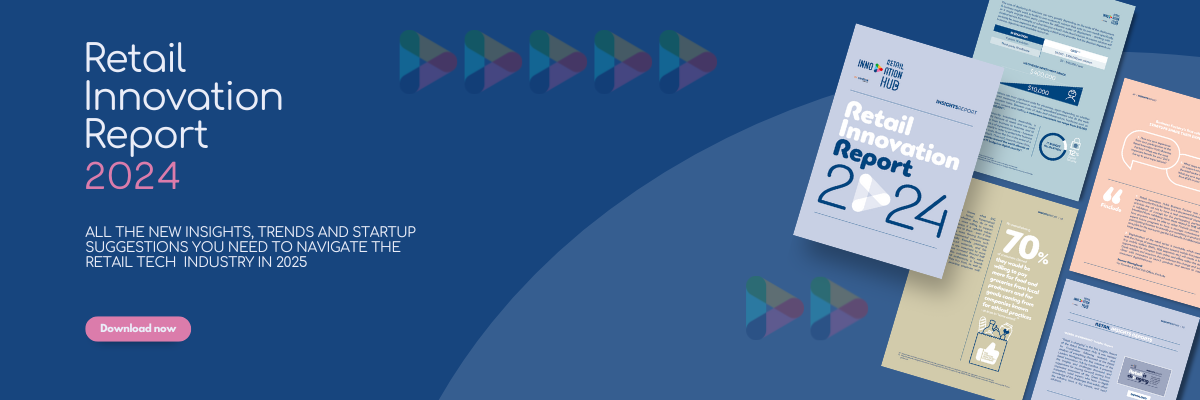
Retail Innovation Report 2024


An in-depth analysis of current trends and challenges in retail

The Retail Innovation Report 2024, produced by Cardlink, a Worldline company, in collaboration with Found.ation, offers a comprehensive overview of the current retail landscape. This year’s report emphasizes the significant challenges retailers face, including ongoing economic uncertainties, supply chain disruptions, and the growing impact of climate change.

Retailers are navigating a complex environment where consumer behavior is shifting dramatically. With disposable income fluctuating and economic pressures mounting, businesses must adapt to meet evolving customer expectations. The report highlights key strategies for success, including hyper-personalization through artificial intelligence, which enables retailers to tailor their offerings to individual preferences effectively. It also discusses the importance of diverse payment options, allowing customers to choose the methods that best suit their needs, and advocates for embracing an omnichannel approach to enhance the overall customer experience. Engaging consumers through the metaverse represents a new frontier for interaction, providing exciting opportunities for brands to connect with their audiences in innovative ways.

Another significant challenge addressed in the report is the issue of supply chain disruptions. Ongoing global climate change and geopolitical tensions have made resilience a top priority for retailers. The report explores how the use of AI in demand forecasting and supply chain management is crucial for improving efficiency and adaptability. Additionally, leveraging the metaverse can provide innovative solutions to streamline operations and enhance collaboration across supply chains.

As digital transformation accelerates, cybersecurity emerges as a critical priority for the retail sector. The report outlines essential solutions for enhancing security, such as implementing AI-driven security measures to safeguard data and systems. It also emphasizes the importance of providing comprehensive cybersecurity training for employees to minimize vulnerabilities. Securing payment infrastructures and ensuring omnichannel data security are vital steps in protecting both businesses and customer information.

The Retail Innovation Report 2024 serves as an essential resource for retailers seeking to navigate today’s challenges and invest in future innovations. It includes valuable insights from the Cardlink Innovation Hub, highlights from successful startups, and key takeaways designed to help businesses thrive in the ever-evolving retail landscape. This report not only informs retailers about the current state of the industry but also equips them with actionable strategies to enhance their operations and customer engagement.

Do you want to learn more? Download your free Retail Innovation Report copy here.
Insights Report: Automation in Retail


Retailers worldwide are navigating a rapidly changing landscape driven by evolving consumer preferences. To flourish in this dynamic environment, businesses are increasingly turning to automation. The Insights Report: Automation in Retail is a culmination of discussions from the Leaders Think Tank Vol.3, enriched by insights from the Found.ation editorial team.

This report explores the transformative potential of automation within the retail sector, offering valuable insights into how businesses can leverage automation to enhance efficiency, agility, and customer experiences. It examines the resurgence of physical stores post-pandemic, emphasizing the shift towards a ‘phygital’ model where the seamless blending of physical and digital experiences is essential.

Additionally, the report highlights the significant role of artificial intelligence in driving sales and personalizing customer interactions. Furthermore, the integration of AI, machine learning, and robotics is discussed as the cornerstone of modern retail’s supply chain operations, improving overall operational efficacy. The report also underscores the importance of open innovation, showcasing how collaborations with startups can provide access to diverse expertise and accelerate the implementation of cutting-edge solutions.

Do you want to learn what was discussed in Leaders Think Tank Vol.3 ? Download your free Insights Report copy here.

Generative AI: The power transforming retail

How can artificial intelligence boost sales and positively impact retailer-customer interactions?

In recent months, Generative AI has increasingly been in the spotlight, emerging as one of the most promising technologies for digital transformation with broad applications. OpenAI’s ChatGPT, introduced in late 2022, is an excellent example of artificial intelligence capabilities. Although not based on human logic, it uses probabilities to generate reasonable and human-like responses based on available data.

The power of Generative AI though, extends beyond chatbots. The retail industry can greatly benefit from utilizing Generative AI in various applications, including communication design, supply chain optimization, and automation of e-commerce workflows. Even smaller businesses can take advantage of this technology as its implementation cost is often minimal.

According to Accenture’s Technology Vision 2023 report, an overwhelming majority of retail executives (96%) express strong enthusiasm for the new possibilities offered by foundation models (the technology supporting Generative AI applications like ChatGPT). The same research revealed that over 90% of executives believe foundation models will play a significant role in their retail strategies for the next three to five years. Moreover, more than 50% of respondents have already started exploring experimental applications of Generative AI in areas such as customer support and process automation.

Enhancing customer experience through conversational commerce

Generative AI can significantly enhance the customer experience through conversational commerce. This technology allows brands and businesses to integrate Generative AI into their digital environment to provide more personalized and effective search capabilities. Conversational product search, powered by Generative AI, accelerates the search process and suggests options that best match the customer’s profile by analyzing their search history and focusing on reasonable next choices for everyone. This, in turn, can lead to more rapid purchases, improved conversion rates, and enhanced cross-selling. For example, under a blog post about camping, relevant product recommendations can be displayed, eliminating the need for the customer to wonder what is required when planning a relevant activity.

Additionally, Generative AI can bolster support through chatbots, offering sophisticated responses tailored to each customer’s needs and personalized interactions that align with the retailer’s and brand’s style and tone of voice. This greatly surpasses the limitations of traditional chatbots (usually relying on a limited number of pre-programmed scenarios) and creates an entirely new communication and support experience for customers, making them feel like they are interacting with a human and ensuring a higher level of service.

Optimizing supply chain operations

The conversational capabilities of Generative AI can enhance interactions between humans and machines in the supply chain sector. For example, Generative AI can provide real-time package tracking information, responding to customer queries more quickly and accurately. It can also optimize packaging processes by analyzing and calculating product dimensions faster than a human, thereby reducing the overall time it takes for a shipment to reach its recipient.

Automating content creation in e-commerce back-end

Generative AI can improve the customer experience not only on the front-end but also automate workflows in the e-commerce back-end. It can automatically generate consistent and accurate product descriptions and create personalized graphics by analyzing text descriptions and data from images, eliminating the need for new photo shoots. Additionally, Generative AI can assist in generating website content, improving e-commerce support processes, and freeing up employees’ time for other business tasks. This efficient solution allows businesses to focus on more strategic initiatives and increase their productivity as needed. It can be useful even for retailers that have a website but not necessarily an e-shop, as AI-generated content can be applied for advertising purposes (e.g., brochures, posters, banners, etc.) in digital or printed format.

Addressing challenges

While Generative AI offers numerous possibilities for retail, it is essential not to overlook the risks and challenges it may present. Artificial intelligence models like ChatGPT may currently provide answers that appear correct and reliable, but they may not always reflect reality. Therefore, careful verification and content review are necessary in every case. Furthermore, the development of a regulatory framework governing the use of Generative AI is underway, and its operation and use may change in the very near future. Such regulation is essential to provide guidelines and ensure transparency in the use of this technology.

Startups and investors embrace AI

Generative AI is a powerful tool with significant potential and prospects, and as it continues to evolve and shape the industry, we can expect to see more and better applications of it in the retail sector. Moreover, investments in startups developing artificial intelligence solutions are continually increasing. According to data from the Organization for Economic Co-operation and Development (OECD), investments in startups involved in Generative AI skyrocketed in 2023 and are projected to surpass 45 billion dollars worldwide. The future looks exciting!

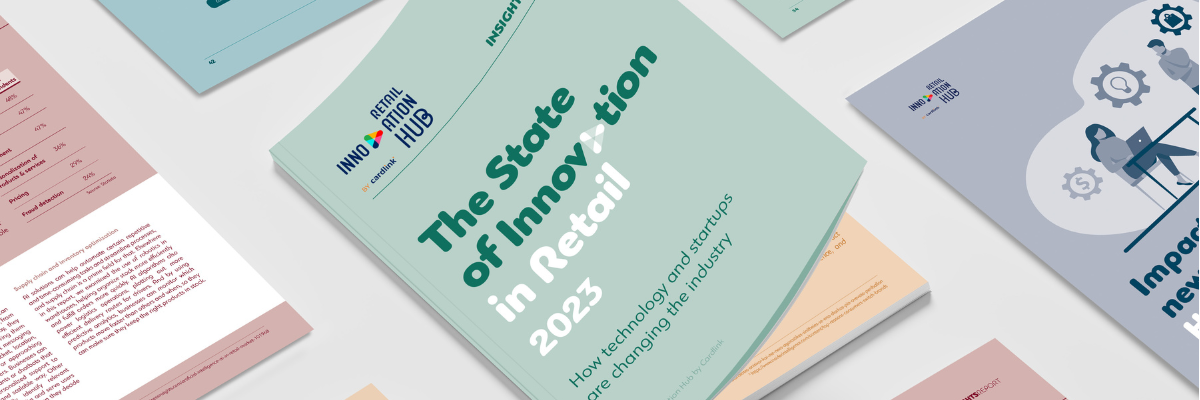
NEW REPORT: The State of Innovation in Retail 2023

How technology and startups are changing the industry?

The retail sector has undergone significant changes in the past three years, as the COVID-19 pandemic forced millions of consumers to turn to online shopping. Retailers, brands, and suppliers have had to pivot and adapt rapidly to an online-first environment. While many of these trends were already prevalent before the pandemic, the crisis accelerated them, leading some to believe that online shopping would become the new norm.

Three years later, as consumers returned to physical stores, the retail sector is re-examining its assumptions. Consumers are now savvier about their online options, and a new demographic with specific expectations of their retail experience is entering the market. At the same time, the transition to a post-pandemic world has brought geopolitical and financial challenges that exacerbate disruption, rather than easing it. To navigate these challenges, brands and retailers must leverage technological innovations that can save costs and improve efficiency. They must also understand their customers’ needs and meet them proactively and decisively.

To provide a clearer understanding of the constantly shifting powers of the industry, we have prepared a report that examines these trends and what they mean for the retail landscape, offering insights into how retailers and brands can navigate the current environment.

What you will read:

As a part of the Retail Innovation Hub by Cardlink activities, we aim to support all players of the retail ecosystem, whether they are retailers or startups, and help them develop useful solutions and synergies.

Download your free copy of the report and let us know which trends are the most interesting for your business!

Product Returns: A Trillion Dollar Challenge

Consumers are returning products more and more often – how can the retail industry cope with the cost?

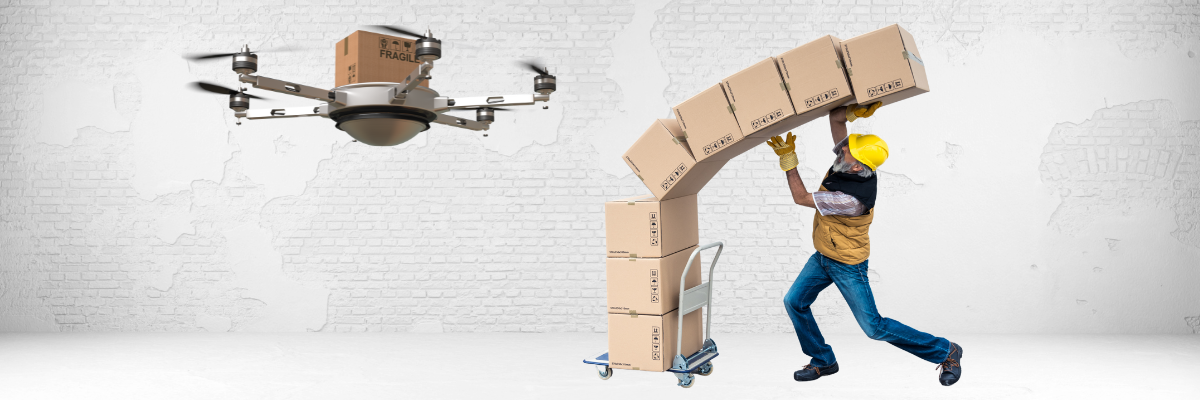
The changes in retail in recent years, that accelerated even more by the rise of e-commerce and, of course, the pandemic, include a new major challenge for merchants, which in previous years was not so prominent: the issue of returns. Now, returns are considered an integral part of the customer journey and something that will concern commerce more in the future.
Even before the outbreak of the pandemic, however, there were signs that returns would become an increasingly important part of the shopping experience. In 2019, Tobin Moore, CEO of Optoro, noted that in the coming years, as e-commerce grows around the world, “the value of returns will reach $1 trillion dollars a year”. At the same time, David Sobie, co-founder & CEO of Happy Returns had mentioned the difference in the rate of consumer returns when buying something in stores compared to returns in online purchases, with the rate of the former being 5-10% and of the latter 15-40%.

The returns keep increasing

In subsequent years, the data showed that the rate of returns was constantly increasing. According to data released in early 2022 by the National Retail Federation (NRF) and Appriss Retail, in 2021 the overall return rate in the US was 16.6% compared to 10.6% in 2020, with online shopping returns however stabilizing at 20.8%. According to the same report, in the US alone for every $100 in returned merchandise accepted, retailers lose $10.30. At the same time, retailers expect more than $761 billion worth of merchandise sold through 2021 to be returned by consumers. This means that refunds are already a $1 trillion problem and will continue to be an even bigger problem in the near future.
According to a McKinsey survey published in May 2021, nearly 75% of retailers agree that returns are “a necessary evil”. They are now a part of business that is often overlooked, but has a huge impact on their brand. In fact, 84% of consumers polled by Doddle, as cited in the same survey, said that the returns experience plays an important role in their opinion of a retailer, while around 95% noted that a poor returns experience will make it less likely that they will make a purchase from a particular brand again.

Addressing the issue of returns

Nevertheless, how can a retailer deal with the rising costs of returns and in what ways can this new reality not become a significant burden on their business?
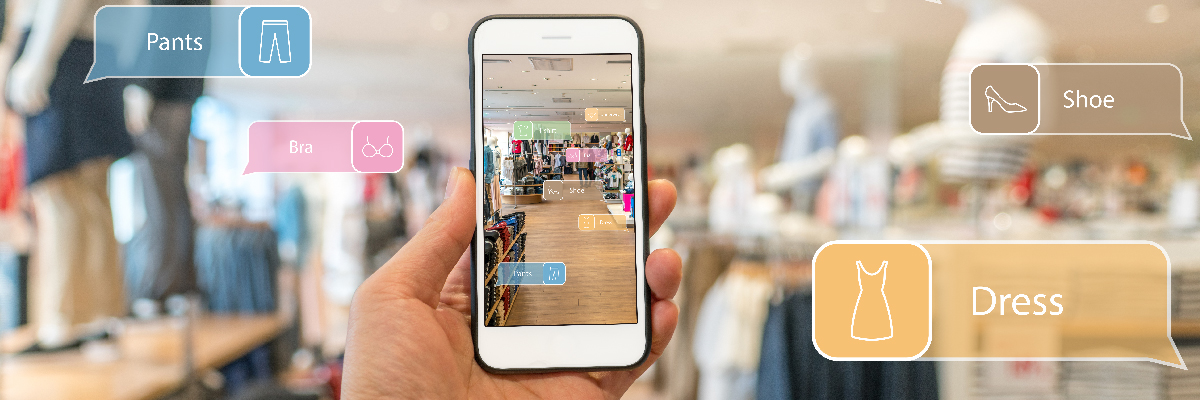
Certainly, actions that can limit the possibility of returns play an important role. A quality check on the products can prevent a negative experience from consumers, which will lead them to product returns, as well as errors (especially on sites and online sales) that can lead the brand’s customers to wrong purchases. The products must be presented accurately on the site of a brand or store, so that there are no doubts among the buyers. Particular attention should be paid (especially in shopping for clothing and footwear) to the correct display of colors and sizes, while ways for consumers to calculate their size correctly, even online where there is no possibility to try on (via special software or even charts), can help to avoid buying a product that needs to be returned. Augmented reality apps that help a consumer better imagine an object in their space or an accessory on them can lead to purchases for which users feel more confident.
Of course, as part of the online purchase experience, shipping also plays an important role, as a rough or wrong packaging can result in a broken or damaged product reaching the consumer, which will necessarily have to be returned and replaced, with a significant cost to the retailer.

Educating consumers

It is important to have some provisions regarding the store’s return policies that are clear to consumers in advance. The entire procedure must be accurately described in such a case, as well as who bears the cost. In many cases, charging for e-shopping returns is a preferred solution. Not long ago, the leading clothing chain Zara became the latest retailer to start charging shoppers to return products bought online if the return is not made in one of the company’s stores. European customers must pay €3.45 to return their purchases, with the cost deducted from the refund amount. Products bought online can still be returned free of charge to chain stores, which presents many advantages as a method. A consumer who goes to the store even to return a product is more likely to buy something new or something extra that they saw in front of them. Additionaly, the returned product is back on the shelf for sale sooner than if the postal route was followed, reducing risk of withdrawing from the sale because e.g. its time has expired or it went out of fashion/season.
If the store cannot bear the burden of the refund, it can clearly state that it is refunding to a gift card or loyalty card instead of cash or to the customer’s credit/debt card.
Regarding businesses that also maintain physical stores in particular, there are modern automated solutions that speed up returns and put less burden on a store and its staff. For example, some retailers abroad are already implementing the solution of special “Return Bars“, i.e. special points where customers can deliver their returns quickly, using QR codes or another method. Technological developments in the retail sector are an ally in this case as well, offering solutions that make the chain that connects the merchant with the consumer more efficient, bringing the products faster from one end to the other, revealing -through data analysis- audience preferences and areas for improvement, reducing costs and increasing customer satisfaction.

Returns are a necessary evil for merchants, but one they can deal with without significant negative consequences. What they need to do is turn in-store product returns into a good shopping experience for their customers and see the new reality as an opportunity from which they can get valuable data for the development of their business.
What do the experts recommend? Place more emphasis on increasing first sales and customer satisfaction, so that the cost of returns becomes less and less. The problem of returns is one of the topics discussed at the 1st Retail Tech Communities Workgroup, organized by Cardlink with the support of Found.ation, as part of the Retail Innovation Hub actions. Read more insights regarding the challenges retail faces, and what the experts have to say in our free Retail Insights Memo.

“Retail Tech Challenges and Solutions” Insights memo

As part of the Retail Innovation Hub’s initiatives, we organized the 1st Retail Tech Communities Workgroup, in collaboration with Found.ation. It was a special meeting point for prominent executives from the retail sector in Greece, with the aim of discussing specific challenges and problems that concern the industry, but also providing solutions to them. Among the issues discussed in the 1st Retail Tech Communities Workgroup was the problem of returns that concerns more and more retailers. The experts participating in the workgroup agreed that can be turned into a successful shopping experience for customers and an opportunity from which merchants can benefit.

Furthermore, the ever-increasing influence of Generation Z buyers in the retail sector was also mentioned by most. Gen Zers are looking for totally different experiences compared to previous generations, and, therefore, a different approach from retailers.

The impact of the GPPR legislation in Europe that has made it difficult for the retailers to adopt innovative solutions was also discussed, as well as issues such as the ROI justification of innovation, especially for small businesses. Most retailers do not decide to make investments in their business, unless they are confident that they will pay off.

Do you want to learn what the experts suggest on each of these matters? Download your free copy of the Retail Insights Memo here

How did the pandemic change consumer habits?

What, how and where do consumers shop during the Covid-19 era?

In the last two years, we have experienced important changes in our lives, due to the unexpected onset of the Covid-19 pandemic. Among all others, we have become different as consumers. But what are the changes that have taken place in consumer habits? What do consumers buy now, from where and in what ways?

Delivery is dynamically enhanced

People may not have been able to visit restaurants for a long time, but that doesn’t mean they stopped discovering new tastes, even at home. According to a recent survey by IELKA (Research Institute of Retail Consumer Goods), 4 out of 10 Internet users now order food online. In addition, according to data from Euromonitor International, the share of spending on e-commerce related to food and beverages exceeded 10% in 2020, from just 3% in 2015, while, according to the survey ‘Voice of the Consumer: Lifestyles’ of Euromonitor International, 46% of consumers aged 30-44 years ordered food to go or for delivery in 2020, from 34% in 2019. At the same time, new trends have sprung up in delivery, such as ghost kitchens (stores that can deliver food, without having space to serve customers or a shop window), which, according to Euromonitor, will represent a business opportunity of 1 trillion dollars by 2030.

What other online markets have been boosted?

Which markets, however, flourished the most during the pandemic? According to a study by Plushost in collaboration with Focus Bari, which studied the relationship between consumers and e-commerce before, during and after the restrictive measures in 24 different market sectors, the categories that grew during the quarantine period are Cosmetics / Perfumes (+ 17%), Clothes & Shoes (+ 12%), Underwear / Pajamas (+ 12%), Toys (+ 10%), Medicines / Supplements (+ 8%), Gift Items (+ 8%), Sports Equipment (+ 8%), Books (+7%) and Sportswear / Shoes (+ 6%). In terms of where consumers shop, online shopping orders from Skroutz / Best Price precede with a percentage of 28%, followed by chain shops’ websites (27%) and of course stores that offer many different brands.

Great rise for e-commerce in general

E-commerce has, of course, taken off. According to statistics concerning Greece from the Europe e-commerce report 2021, the percentage of Internet users who buy goods or services online reached 59% in 2020, with the forecast to reach 63% in 2021, from 45% in 2016. Similar are the statistics of ELSTAT, according to which, in the first quarter of 2021, online purchases were made by 60% of consumers, having an increase of 22% compared to the corresponding period last year.

How do consumers pay?

Of particular interest are the findings regarding payment methods, where consumers still prefer Cash on Delivery (CoD) albeit to a lesser extent (63% before the pandemic, 56% in quarantine, 57% in the click-in-shop system and 59% today). Overall, however, a significant increase was noticed in card usage, during the pandemic period. According to an interim report of the Bank of Greece on monetary policy 2021, card payments made by physical presence at a physical EFTPOS terminal in 2020 amounted to 28.7 billion euros, an increase of 29% over the previous year, while the corresponding value of those carried out remotely amounted to 6.8 billion euros in 2020, an increase of 71% over the previous year.

Support for local markets increased as well

The quarantine also brought a strong interest in local markets. In 2020, according to statistics from the European Commission, 81% made purchases closer to home and supported local businesses, in a statistic proving that people, after the onset of the pandemic and the constraints it has brought to their lives, have turned a lot to their neighborhood and to the shops closest to their home.

Keeping up with trends and helping businesses in the world of retail to understand them is one of the aims of Retail Innovation Hub – a regional platform with the ambition to facilitate the development of retail in the digital age. More insights were presented at the Retail leaders Innovation Workgroup on January 20th, an interactive online event aimed at sharing ideas and identify challenges that have a broad impact on the industry and require solutions. The insights from this workgroup are available in a mini report that you can download here for free.

“Retail is changing” Insights Report

The Insights report “Retail is changing” is the first Insights Report of the Retail Innovation Hub. It was created by Found.ation following research and analysis of everything discussed at the Retail Leaders Workgroup, the first initiative of the Retail Innovation Hub by Cardlink. It’s a unique opportunity to learn what are the latest trends in Retail, what is it that customers are looking for from businesses today, and to gather ideas on how to properly prepare and stay ahead of the curve. All these, in fact, coming from important executives of the Greek business ecosystem, retail experts who have in-depth knowledge of the challenges that widely affect the industry, have a big impact, and need solutions.

In the workgroup participated executives from the companies L’OREAL Hellas, Kotsovolos, Oracle, OPAP, Eurobank, Vodafone, Microsoft, PwC, Quest Group (you.gr), Cardlink, Found.ation, Velocity.Partners, Stanton Chase, istorm, and Venture Friends.

The Report is available in English and you can download it free of charge here